Labor illusion
The tendency to value a service more when it visibly shows the effort behind it. Showing what a system is doing can turn a wait from wasted time into proof of work.
In Buell and Norton's flight search experiments, people who watched a live list of the airlines being searched and the fares being found rated the service higher than people who watched a plain progress bar, at every wait time tested from 10 to 60 seconds. Given the choice between an instant search and an identical one that took longer, 62–63% preferred the slower site when it showed its work, compared with 42% (30-second wait) and 23% (60-second wait) when it only showed a progress bar. The mechanism is reciprocity: visible effort reads as the service working hard on your behalf, and people value it in return. It holds offline too: in a food service field experiment, letting customers and cooks see each other raised customer-rated quality by 22.2%. The effect has clear limits. Its benefit started to fade after about 30 seconds for flights and 15 seconds for dating matches, and when the result was poor, showing effort made people rate the service lower than an instant answer. Use it to make real waits feel worthwhile, never to manufacture them.
How to apply
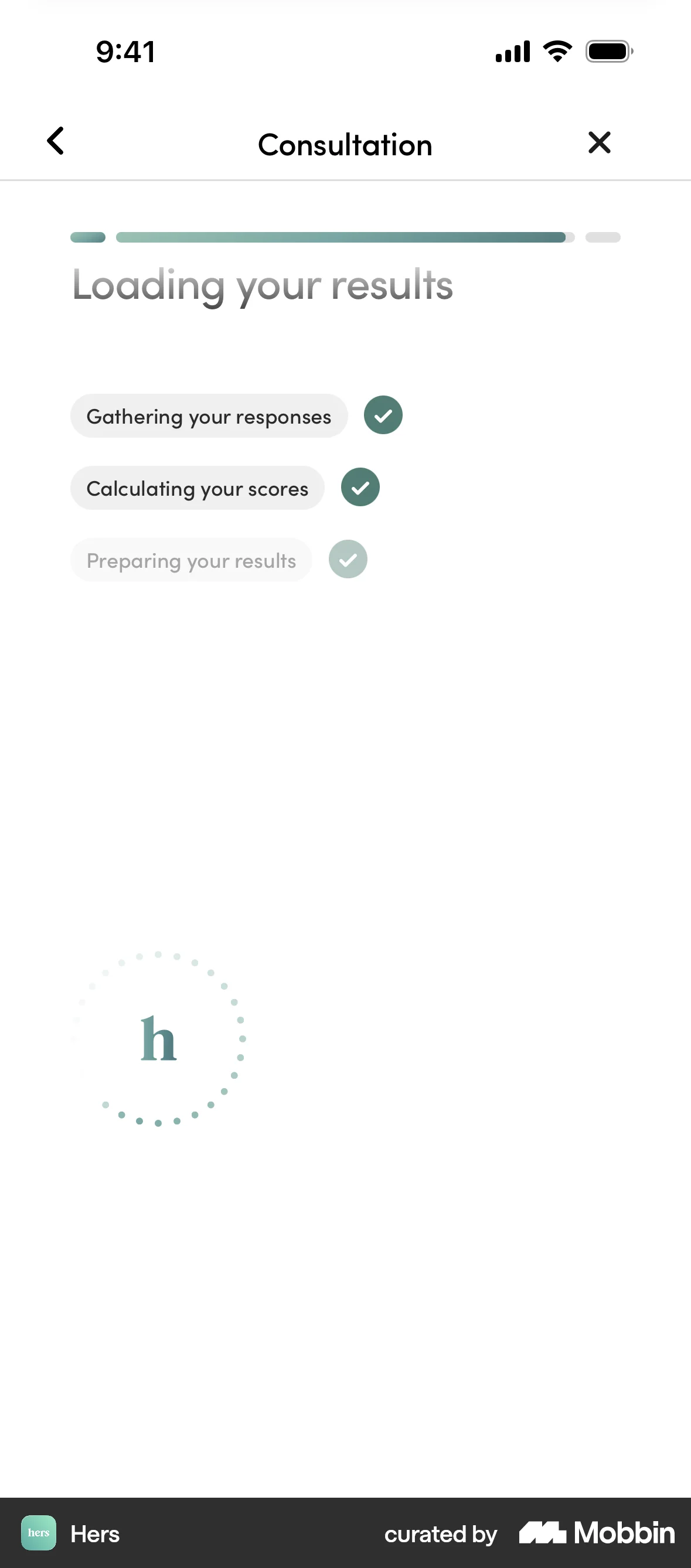
- Replace generic spinners and progress bars with a live log of the real steps: which sources are being checked and what has been found so far.
- Describe the work in the user's terms (“Checking 16 airlines”, “156 fares compared”), not in system terms like “Running query”.
- Show a running count of results as they come in, so the payoff visibly builds up during the wait.
- Use it where valuable work is otherwise invisible: searches, comparisons, checks, analyses and generated reports.
- Keep transparent waits short. In the original studies the benefit began to fade after about 15–30 seconds.
What to avoid
- Adding artificial delays to results that are already ready. The researchers call faked effort an ethical boundary, and suspicion of manipulation erodes the effect.
- Narrating long waits instead of shortening them. The longer the wait, the less transparency helps.
- Showing a lot of effort before a weak or empty result. With poor outcomes, visible effort made the service look worse than an instant answer.
- Vague busy messages (“Working on it…”, “Doing some magic…”) that show no actual work.
- Step lists that don't match what the system is really doing.
Real-world examples



References
For agents
An agent-friendly guide to this principle lives at /agents/labor-illusion.md.
Our MCP server and skills for all principles are coming soon.
Similar principles
Disclaimer: The theories here are just that — theories. They may not apply universally and should be considered in context. Use your own judgment and consult additional sources when applying these principles.