Framing effect
The framing effect is the tendency to judge identical information differently depending on whether it is presented positively or negatively, for example as “75% lean” or “25% fat”.
In Tversky and Kahneman's classic study, people chose between two programs to fight a disease expected to kill 600 people. When the options were described in terms of lives saved, 72% chose the safe option. When the same options were described in terms of deaths, only 22% did. The effect replicated in the Many Labs project. Simpler attribute framing changes how products are judged, too: ground beef described as “75% lean” was rated more favorably than beef described as “25% fat”, although the gap shrank once people tasted it. Framing is not a universal lever, though. A meta-analysis of 93 studies found that gain-framed and loss-framed health messages were almost equally persuasive. Frames matter most before people have tried something, and they weaken once people have direct experience.
How to apply
- Describe attributes by what people get, such as “99.9% uptime” or “9 in 10 setups take under 5 minutes”, rather than by what goes wrong.
- Pay most attention to framing where people haven't tried the product yet: landing pages, pricing pages and sign-up.
- Write the key claim in two frames and test both. Small wording changes can shift choices, but the effect varies by context.
What to avoid
- Assuming loss framing (“Don't miss out”) beats gain framing. Across 93 studies of health messages, neither was reliably more persuasive.
- Frames that mislead. A positive frame must describe the same facts the negative frame would.
- Leaving out the unfavorable side when it matters for the decision, such as failure rates or cancellation terms.
- Relying on wording to carry a weak product. Once people try it, the frame matters much less.
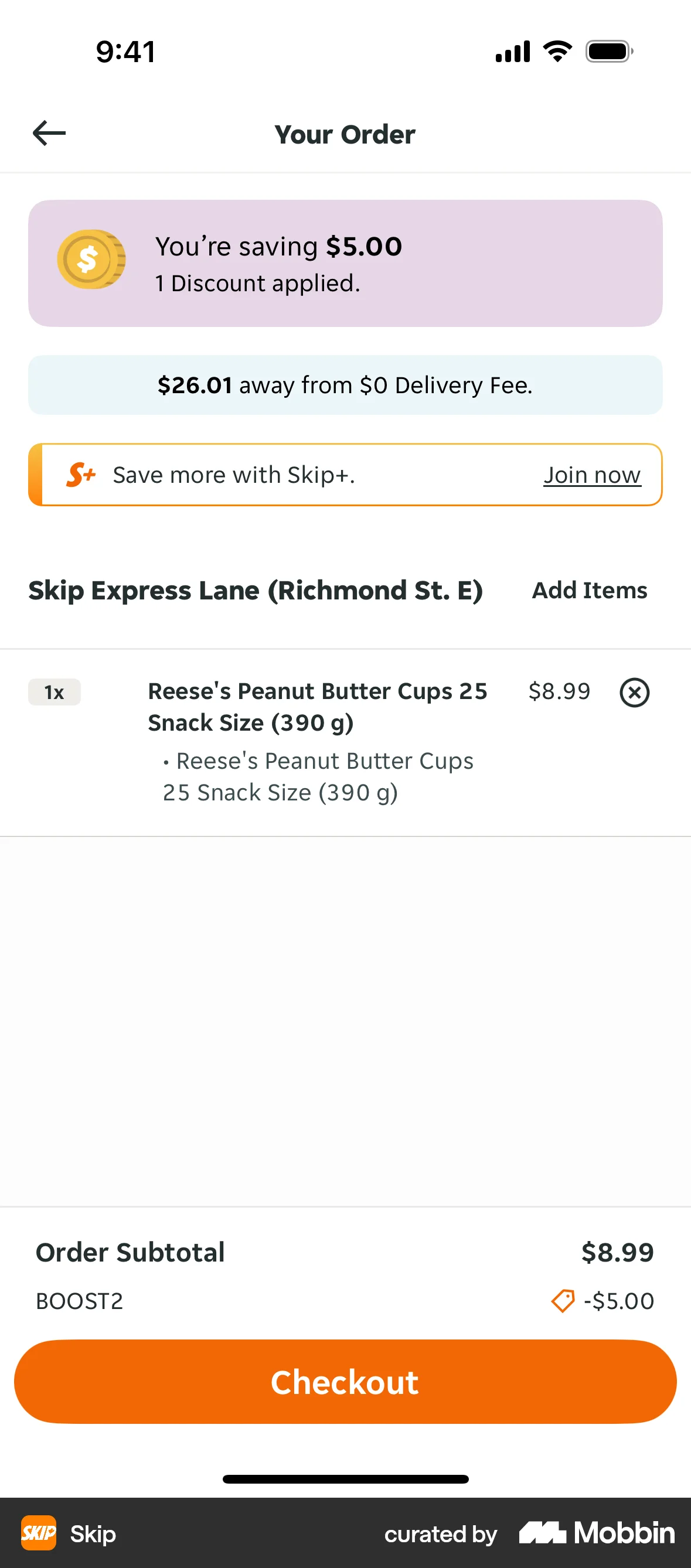
Real-world examples


References
- Tversky & Kahneman (1981). The Framing of Decisions and the Psychology of Choice. Science.
- Klein et al. (2014). Investigating Variation in Replicability: A “Many Labs” Replication Project. Social Psychology.
- Levin & Gaeth (1988). How Consumers Are Affected by the Framing of Attribute Information Before and After Consuming the Product. Journal of Consumer Research.
- Levin, Schneider & Gaeth (1998). All Frames Are Not Created Equal: A Typology and Critical Analysis of Framing Effects. Organizational Behavior and Human Decision Processes.
- O'Keefe & Jensen (2007). The Relative Persuasiveness of Gain-Framed and Loss-Framed Messages for Encouraging Disease Prevention Behaviors: A Meta-Analytic Review. Journal of Health Communication.
For agents
An agent-friendly guide to this principle lives at /agents/framing-effect.md.
Our MCP server and skills for all principles are coming soon.
Similar principles
Disclaimer: The theories here are just that — theories. They may not apply universally and should be considered in context. Use your own judgment and consult additional sources when applying these principles.