Social proof
Social proof is the tendency to treat other people's choices as evidence of the right choice, especially when a decision is uncertain or unfamiliar.
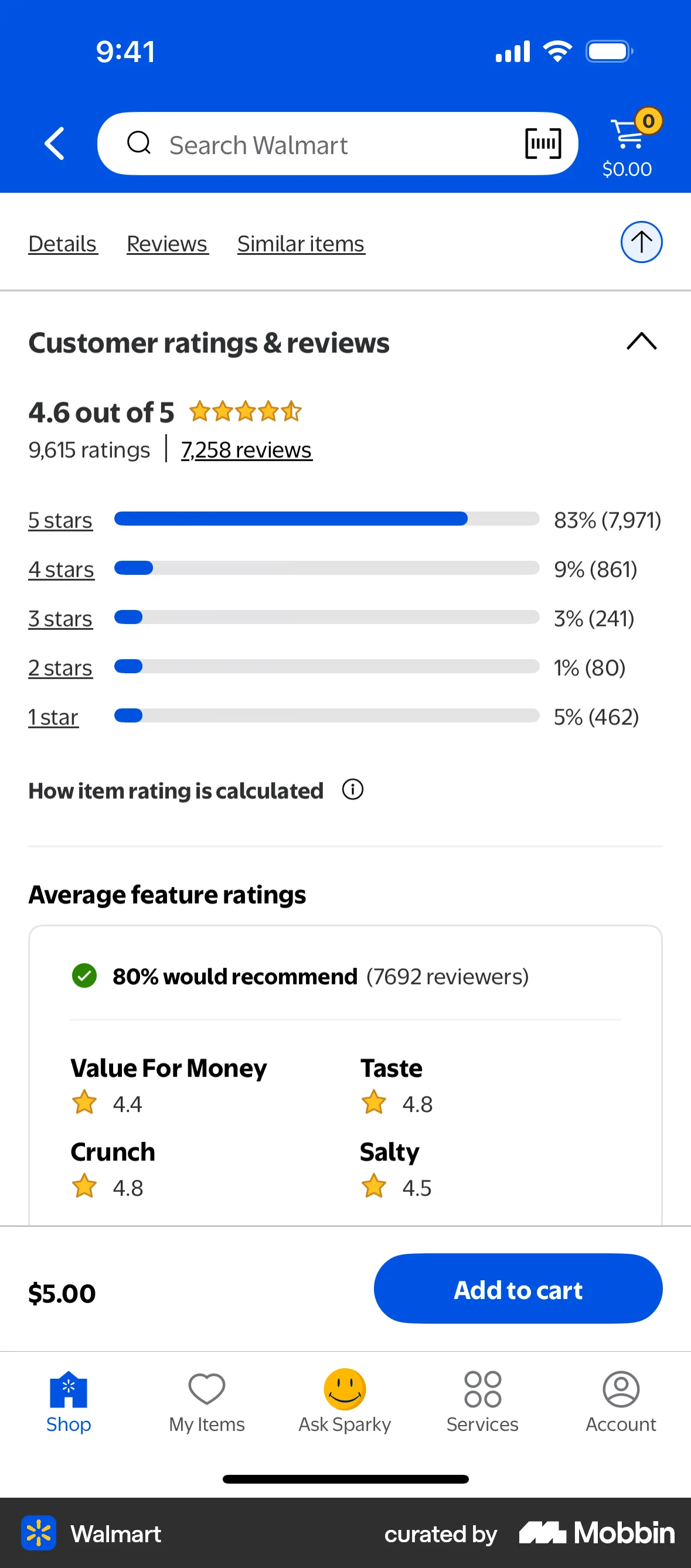
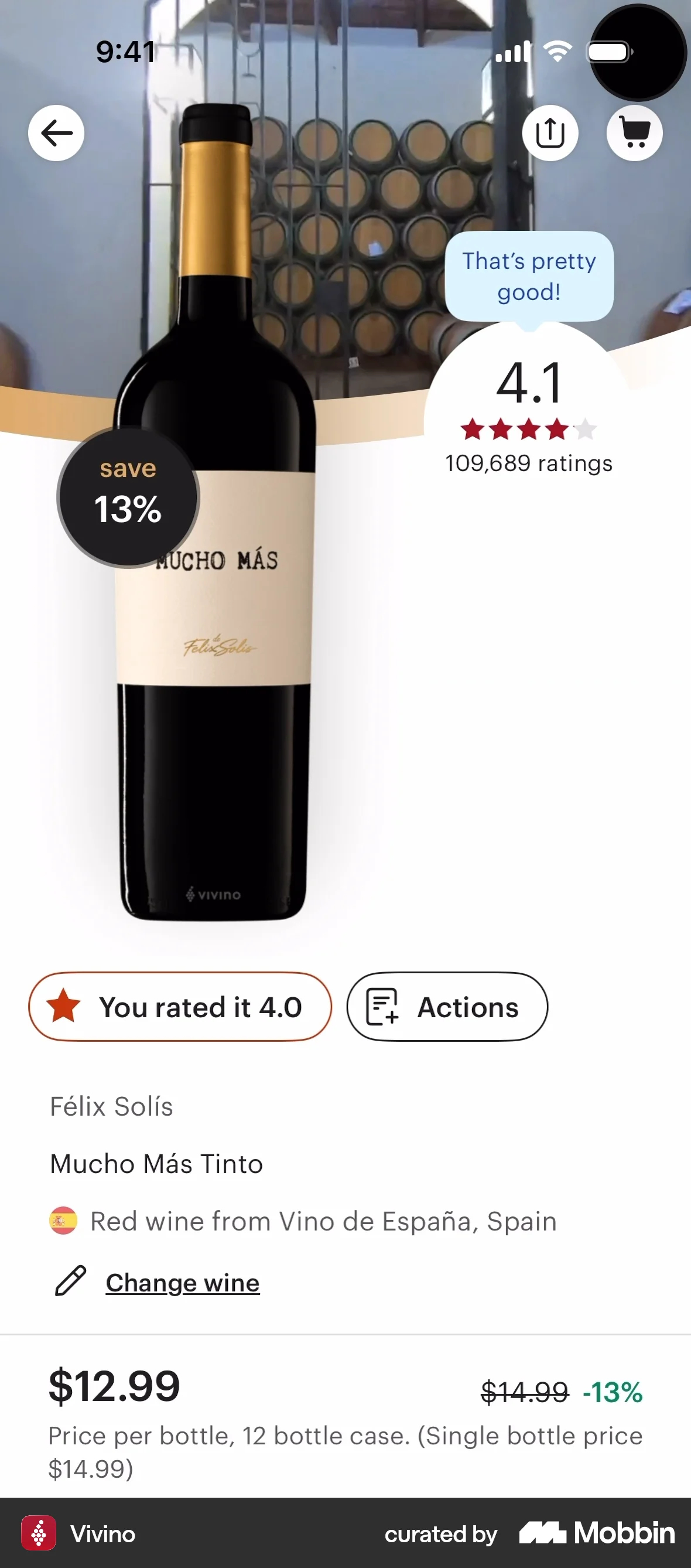
Telling people what most others do is one of the cheapest ways to change behavior. In a field experiment with about 100,000 UK taxpayers, adding “Nine out of ten people in the UK pay their tax on time. You are currently in the very small minority of people who have not paid us yet.” to a reminder letter raised payments within 23 days by about 5 percentage points. Describing what people actually do worked better than saying what they should do. Reviews work the same way: in Northwestern's Spiegel Research Center data, a product with five reviews was 270% more likely to be bought than one with none, the gains flattened after the first five, and purchase likelihood peaked at 4.0–4.7 stars rather than a perfect 5. Social proof amplifies whatever it points at. In an online music market, showing download counts made hits bigger and success less predictable. It also backfires when it reports the wrong norm: at Petrified Forest National Park, a sign saying many visitors had removed wood led to 7.92% theft, compared with 1.67% for a plain request not to.
How to apply
- Show ratings and review counts at the point of decision, next to the price or the button, not on a separate page.
- Work to get the first five reviews on every product. That is where most of the lift comes from.
- Show the real average even when it is below 5. Ratings of 4.0–4.7 convert better than a perfect score that looks too good to be true.
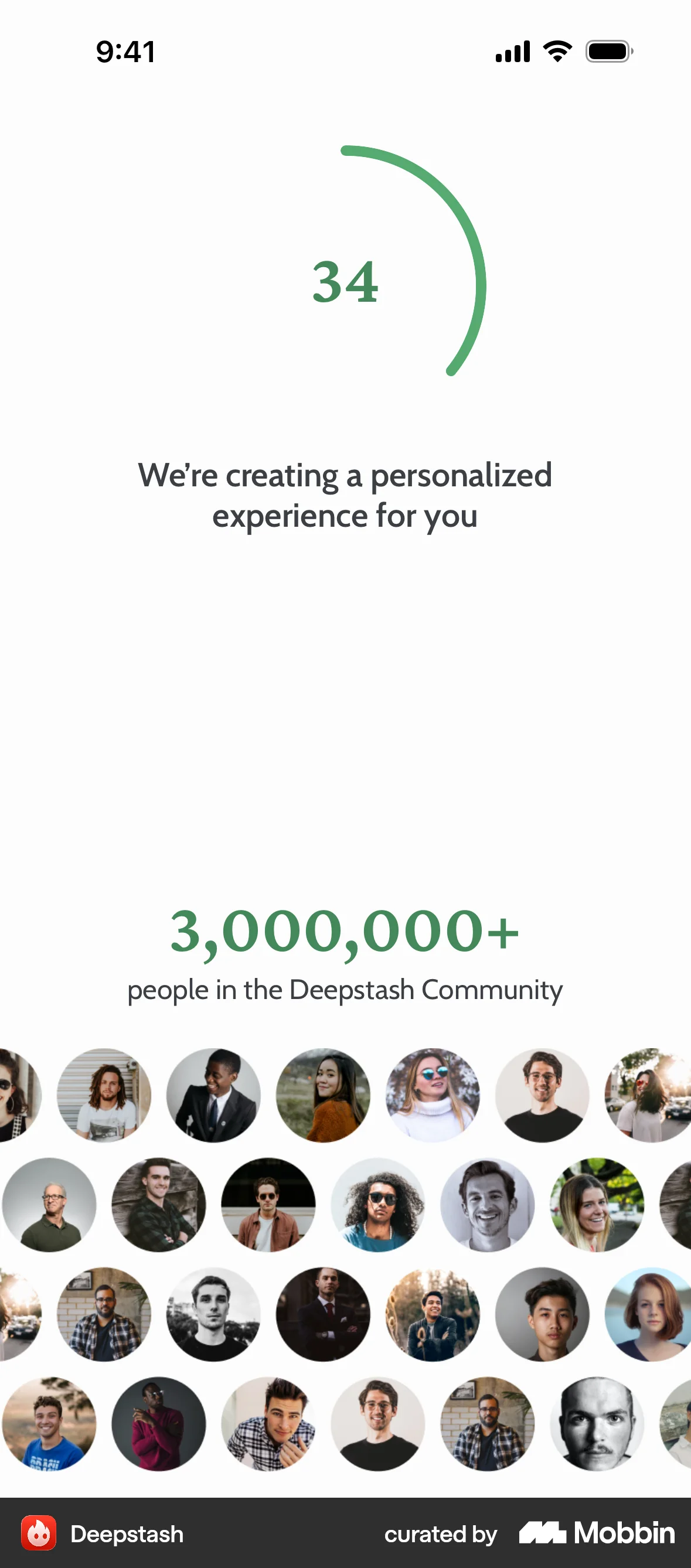
- Describe what most people actually do, with a real number, rather than telling users what they should do.
- Make the norm personal. Pointing out that someone is in the small minority who haven't acted yet was the strongest message in the tax study.
What to avoid
- Fake, bought or cherry-picked reviews. The FTC's 2024 rule bans fake reviews and hiding negative ones, and in the EU, claiming reviews come from real customers without checking is banned.
- Highlighting how many people do the wrong thing (“Most users never finish setup”). It tells everyone the wrong thing is normal.
- Invented activity, like “Someone in Berlin just bought this” pop-ups or viewer counters that are not real.
- Vague claims (“Loved by thousands”) when you have a real, specific number you could show instead.
Real-world examples

References
- Hallsworth, List, Metcalfe & Vlaev (2017). The Behavioralist as Tax Collector: Using Natural Field Experiments to Enhance Tax Compliance. Journal of Public Economics.
- Spiegel Research Center (2017). How Online Reviews Influence Sales. Northwestern University.
- Salganik, Dodds & Watts (2006). Experimental Study of Inequality and Unpredictability in an Artificial Cultural Market. Science.
- Cialdini et al. (2006). Managing Social Norms for Persuasive Impact. Social Influence.
- FTC Trade Regulation Rule on the Use of Consumer Reviews and Testimonials, 16 CFR Part 465.
- Omnibus Directive (EU) 2019/2161, Article 3 (fake consumer reviews).
For agents
An agent-friendly guide to this principle lives at /agents/social-proof.md.
Our MCP server and skills for all principles are coming soon.
Similar principles
Disclaimer: The theories here are just that — theories. They may not apply universally and should be considered in context. Use your own judgment and consult additional sources when applying these principles.