Default effect
The default effect is the tendency to accept the pre-set option instead of actively choosing another, because changing it takes effort and feels like a decision.
Defaults work through three channels: switching takes effort, the preselected option reads as a recommendation, and once it is in place, giving it up feels like a loss. The effects can be large. In an online experiment, 82% of participants agreed to be organ donors when donating was the default, compared with 42% when it was not (Johnson & Goldstein, 2003). When a German energy supplier preselected its green tariff for almost 42,000 households, about 70% kept it, while only about 7% chose it when they had to opt in, a nearly tenfold difference that follow-up experiments suggest was not simply people overlooking the default. A meta-analysis of 58 studies found an average effect of d = 0.68, stronger for consumer decisions and when the default reads as a recommendation, with wide variation between studies (Jachimowicz et al., 2019). Defaults can also backfire. Across 13 million New York taxi rides, higher preset tip suggestions raised tips but also led more riders to leave no card tip at all.
How to apply
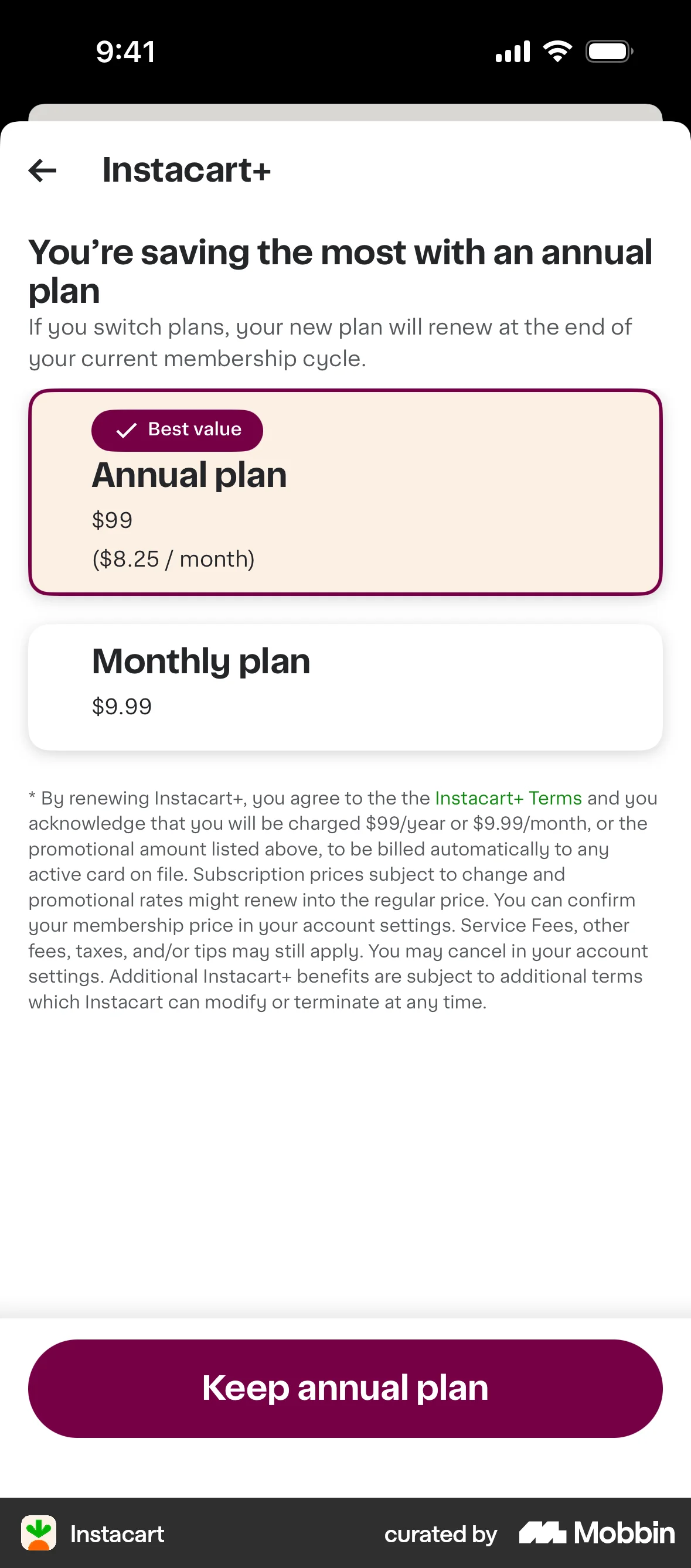
- Preselect the option that is right for most users, such as the plan most customers end up on, and label it “Recommended” so the endorsement is explicit.
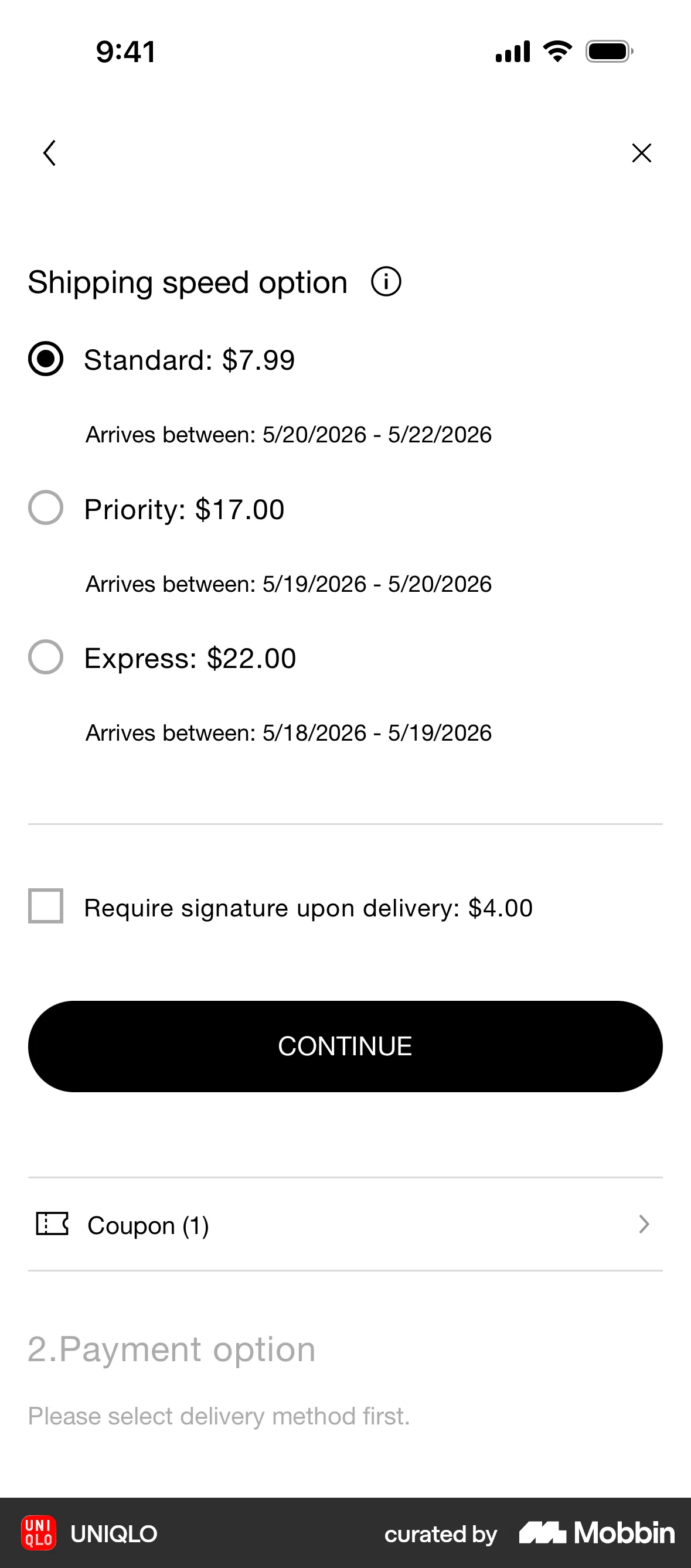
- Show the default where the choice happens, as a preselected option with the alternatives visible and one click away, not buried in settings.
- Fill in what you already know (country, currency, the user's last choice) so the default saves effort instead of steering.
- Default to the option that serves the user's own long-term goal, such as privacy-friendly settings or saving progress automatically.
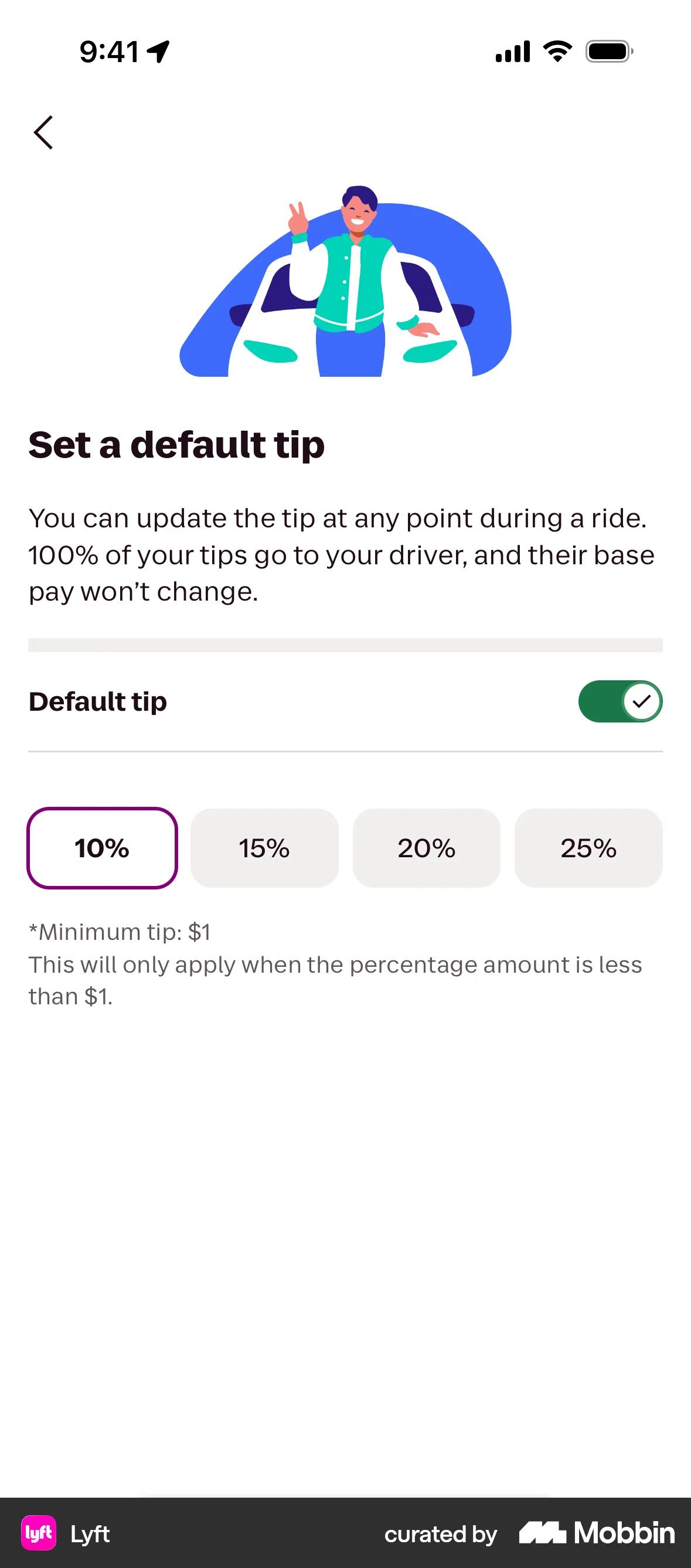
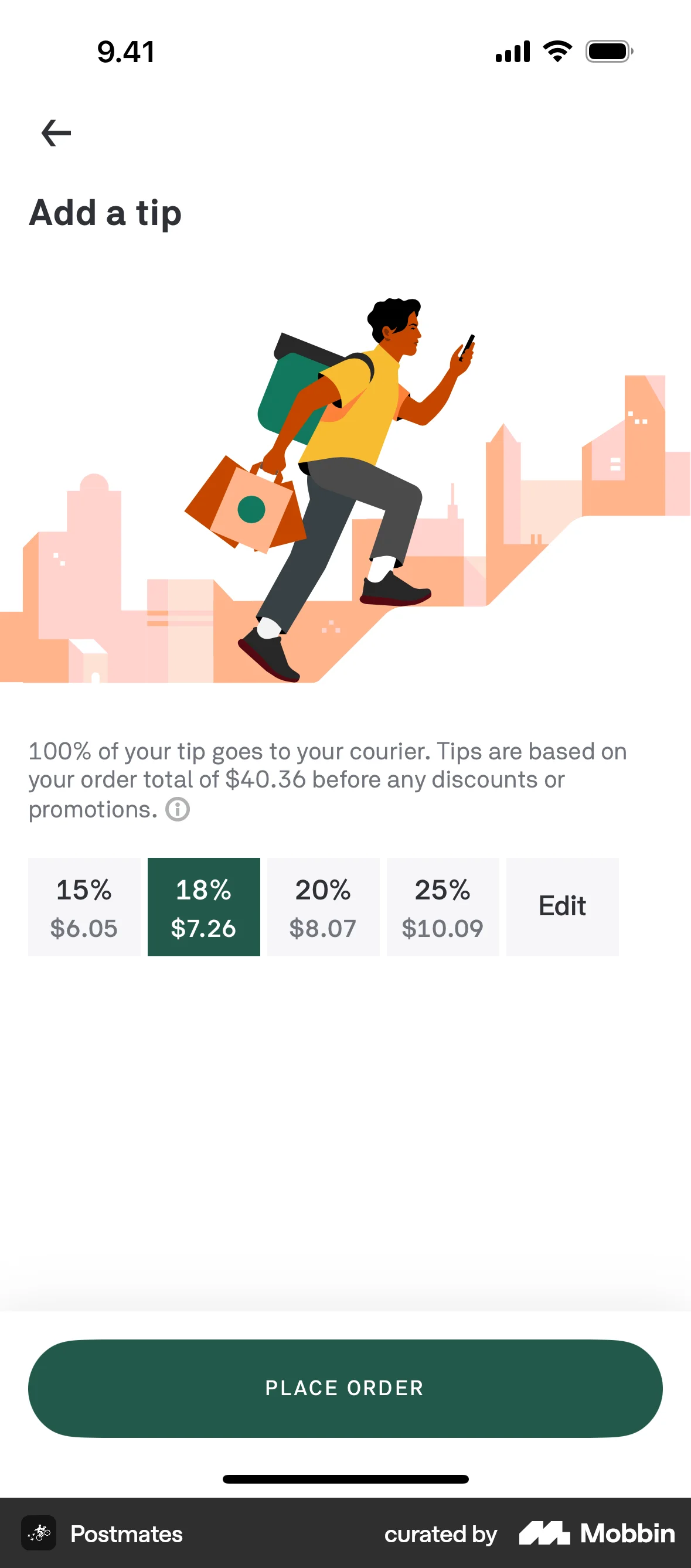
- Test preset amounts for tips, donations and quantities. Higher suggestions raise amounts but can push people out of the choice entirely.
What to avoid
- Pre-ticked boxes that add cost, like insurance, donations or add-ons. In the EU, extra payments need express consent, and a pre-ticked box does not count (Consumer Rights Directive, Art. 22).
- Pre-ticked consent for marketing emails or cookies. Under GDPR, a pre-checked box is not valid consent (CJEU, Planet49, 2019).
- Defaults that obviously serve the business. Shoppers read defaults as signals of the seller's intentions and judge them accordingly.
- Preset amounts set so high that people reject the whole thing, as with the taxi riders who skipped the card tip.
- Relying on inertia to keep people in subscriptions or settings they would not choose actively.
Real-world examples
References
- Johnson & Goldstein (2003). Do Defaults Save Lives? Science.
- Ebeling & Lotz (2015). Domestic Uptake of Green Energy Promoted by Opt-out Tariffs. Nature Climate Change.
- Jachimowicz, Duncan, Weber & Johnson (2019). When and Why Defaults Influence Decisions: A Meta-analysis of Default Effects. Behavioural Public Policy.
- Haggag & Paci (2014). Default Tips. American Economic Journal: Applied Economics.
- Brown & Krishna (2004). The Skeptical Shopper: A Metacognitive Account for the Effects of Default Options on Choice. Journal of Consumer Research.
- Consumer Rights Directive 2011/83/EU, Article 22 (additional payments).
For agents
An agent-friendly guide to this principle lives at /agents/default-effect.md.
Our MCP server and skills for all principles are coming soon.
Similar principles
Disclaimer: The theories here are just that — theories. They may not apply universally and should be considered in context. Use your own judgment and consult additional sources when applying these principles.