Temptation bundling
A should pays off later and costs effort now, so present bias wins. Bundling makes the minutes themselves enjoyable — the want is consumed while the should is happening, not handed over once it is finished.
The direct evidence is two field experiments, both with Katherine Milkman as an author, both on gym attendance, both using audiobooks as the want, and nobody outside that group has replicated either. The first is small. Milkman, Minson and Volpp (2014) assigned 226 university gym members who wanted to exercise more to one of three arms: four self-chosen page-turner audio novels on an iPod kept in a monitored locker at the gym and reachable only there; the same novels loaded onto the participant's own iPod with a recommended rule to only let yourself enjoy them while exercising; or a $25 bookshop gift card, pretested as equal in value. In the first week the locked-iPod arm made 0.48 more gym visits a week than control, a 51% increase over control's 0.94 visits, and the self-imposed-rule arm 0.27 more, a 29% increase. Both decayed, by 0.07 and 0.05 visits a week across the nine-week study. Over the seven weeks before the university gym closed for Thanksgiving the locked arm was worth 0.31 visits a week and the self-rule arm 0.14; averaged across the whole study, 0.21. The closure ended the effect, which is the one documented way to kill it.
The large test dropped the restriction entirely. Kirgios, Mandel, Park, Milkman, Gromet, Kay and Duckworth (2020) added audiobooks to StepUp, a four-week digital exercise programme for 24 Hour Fitness members. Every arm earned points worth about $0.22 a visit, planned workouts and pre-workout texts; one arm also received a code for a free Audible audiobook, and one received the code plus a cartoon, a short video and a customised recommendation teaching the bundling rule, which 78.6% of them pledged to follow. Against a control with the same incentives, planning and reminders and no audiobook (N = 6,792), the taught arm was 6.7 percentage points more likely to produce a gym visit in a given week during the programme, and still 5.1 points and 0.131 visits a week ahead ten weeks after it ended — a 10–14% lift in the likelihood of a weekly workout and 10–12% in weekly workouts, holding for up to seventeen weeks. Nobody's access was restricted; the audiobook was theirs to use anywhere. The preregistered comparison that separates the lesson from the gift gave the lesson 2.2 to 3.2 points, all of it on whether people showed up at all rather than how often.
Two things temper that. Only 14% and 13% of the two audiobook arms ever downloaded the free audiobook, so most of the effect came from people who never obtained the want; the authors could not verify that anyone bundled, and without a cash-equivalent control they could not rule out gratitude toward the gym. And 29% of enrollees in those arms swam or took classes — activities you cannot listen through — and were excluded from the preregistered analysis.
StepUp was one arm of a megastudy, which is the best available check on durability. Milkman and colleagues (2021) compared 53 four-week interventions across 61,293 members of the same chain: 45% significantly raised weekly gym visits, by 9% to 27%, and only 8% produced a significant increase in the four weeks after the programme ended, against 2.5% expected by chance. The taught-bundling arm was the third largest of the 53 on the likelihood of a weekly visit. But in the megastudy's own post-intervention analysis of visit counts, the arm that cleared significance was the audiobook with no explanation at all (0.213 visits a week) and not the taught version (0.130). Scenario studies say why the bare gift travels so far: shown only the plain audiobook screens, 80% of 75 gym-goers said the audiobook was meant to be used at the gym. The gift leaks the instruction, so the screen that explains the rule is worth less than the screen that hands over the content.
The first link in the mechanism — enjoyable media makes effort feel better — is heavily replicated, just not on return rates. Terry, Karageorghis, Curran, Martin and Parsons-Smith's (2020) meta-analysis of 139 studies found music listening associated with more positive affective valence (g = 0.48), better physical performance (g = 0.31) and lower perceived exertion (g = 0.22), with no effect on heart rate. Woolley and Fishbach (2016) show the same logic inside an activity: having people choose the more enjoyable exercise rather than the more useful one, or adding music to a high-school classroom, increased persistence, and immediate rewards predicted persistence more strongly than delayed ones; in two field studies (2017), enjoyment predicted sticking with New Year's resolutions and with single sessions of studying and exercising while the delayed benefits did not. That body of work supports making the minutes better, not the claim that users come back.
The version usually sold under this name — do the chore, unlock the content — was never tested. In both experiments the want was available while the should was happening, either because it was kept at the gym or because the user adopted a rule about when to enjoy it; in neither was it handed over for finishing. A payout on completion is a different object with its own literature: Deci, Koestner and Ryan (1999) found engagement-contingent and completion-contingent rewards undermined free-choice persistence at d = −0.40 and −0.36 across 128 studies, so an unlockable puts you inside those cells. The honest shape of the principle is a small, twice-positive effect in one domain from one research group and a well-supported story about why the moment feels better: build the want into the task, measure after the content stops, and do not expect a habit.
When it holds
- The user has to genuinely enjoy the pairing. A one-standard-deviation increase in how much participants enjoyed their bundled intake workout raised the initial effect by 0.21 visits a week, and the audio-novel arms produced marginally more people calling that workout enjoyable than the control did.
- The want has to be the user's own pick. StepUp asked which medium and genre would make people crave their workout most and recommended accordingly; only 29.9% of participants named audiobooks as their preferred thing to bundle, and 54% of a separate sample said audio novels were not the most tempting thing that could be paired with exercise.
- The should has to be compatible with consuming the want. 955 of 3,289 enrollees, 29%, swam or took classes and were dropped from the preregistered analysis because they could not listen while exercising.
- Access to the want must not be interrupted. The 2014 effect survived seven weeks and died at the Thanksgiving gym closure; the 2020 authors credit part of their durability to a chain whose gyms rarely close and to start dates staggered across a year.
- It helps the busiest most. A one-standard-deviation decrease in the number of intake slots a participant was free for — a proxy for how busy they were — raised the initial effect by 0.21 visits a week.
- The effect is on the extensive margin. Both the 10-week and the 17-week results are strongest on whether a week contained any visit at all, and the lesson about bundling did not move visit counts during the programme at all.
- Restriction is not required, and it is the weaker half of the record. The locked-iPod arm produced the largest first-week effect and lost 0.07 visits a week as it ran; the unrestricted arm, where the want could be enjoyed anywhere, is the one still measurable seventeen weeks later.
- Teaching the rule adds little over supplying the want, because the gift carries the instruction. The lesson was worth 2.2 to 3.2 percentage points, and 80% of gym-goers shown only the plain audiobook screens inferred it was for use at the gym.
- The absolute sizes are small. 0.131 extra visits a week in the digital version, against 0.27 to 0.48 in the face-to-face version that handed every participant a loaded device.
How to apply
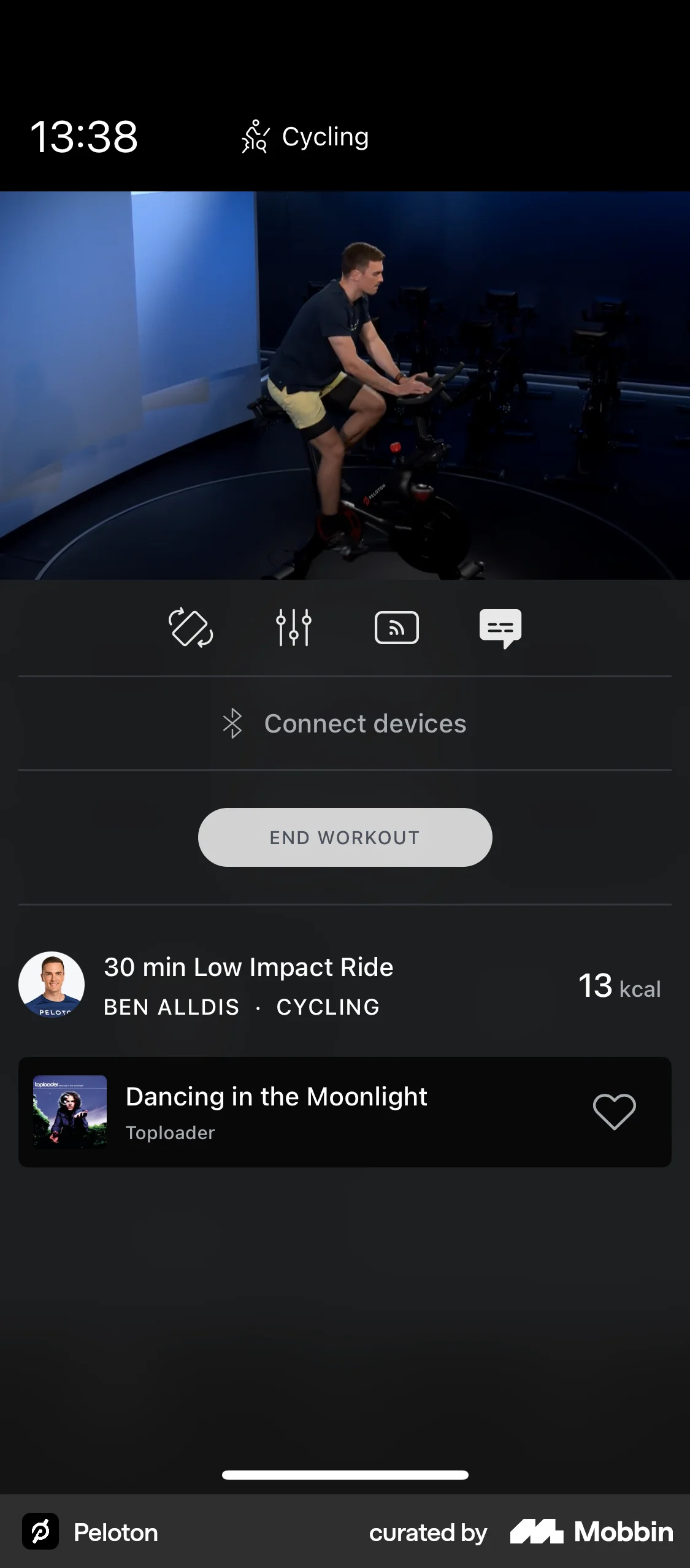
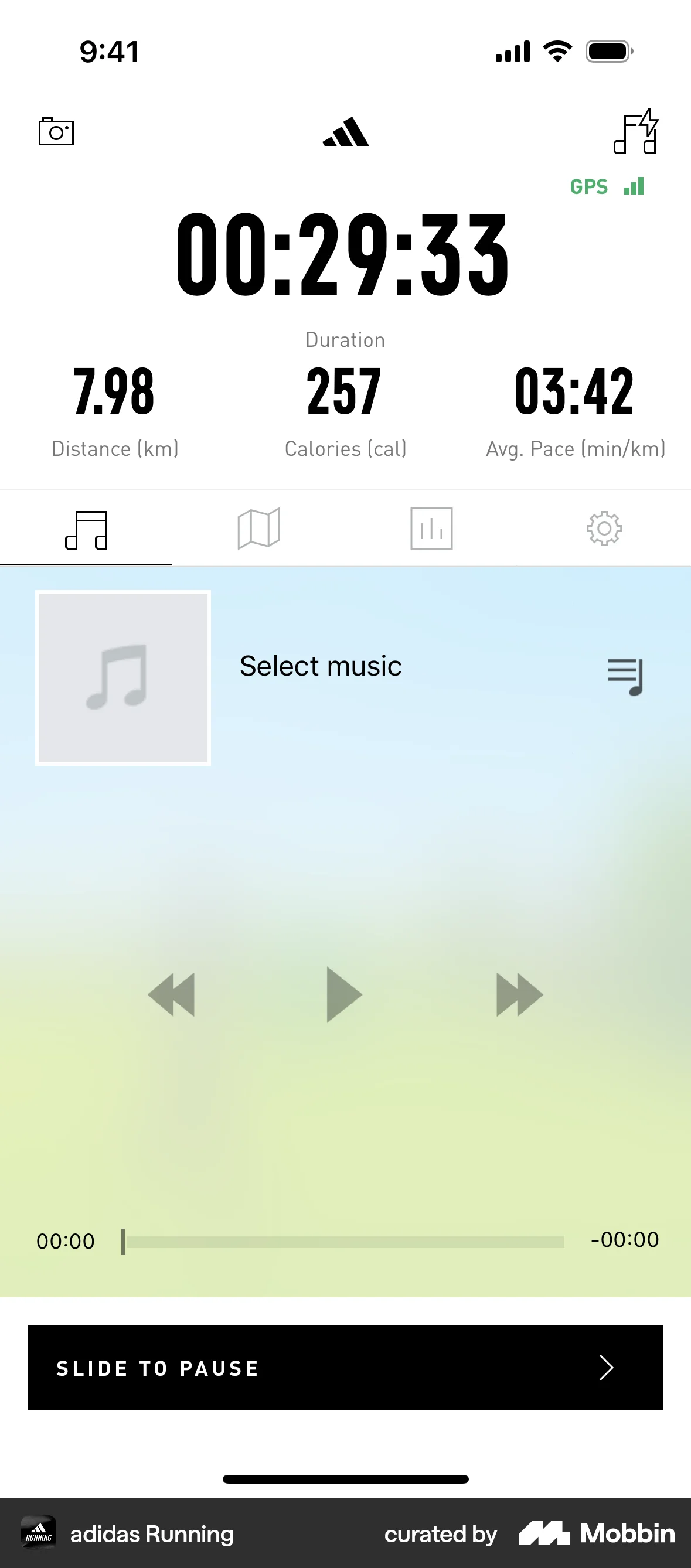
- Put the enjoyable thing inside the task, on the same screen and running while the work happens: audio or video alongside the review queue, the data clean-up, the long form. “Available during” is the configuration that was tested; “unlocked afterwards” is not.
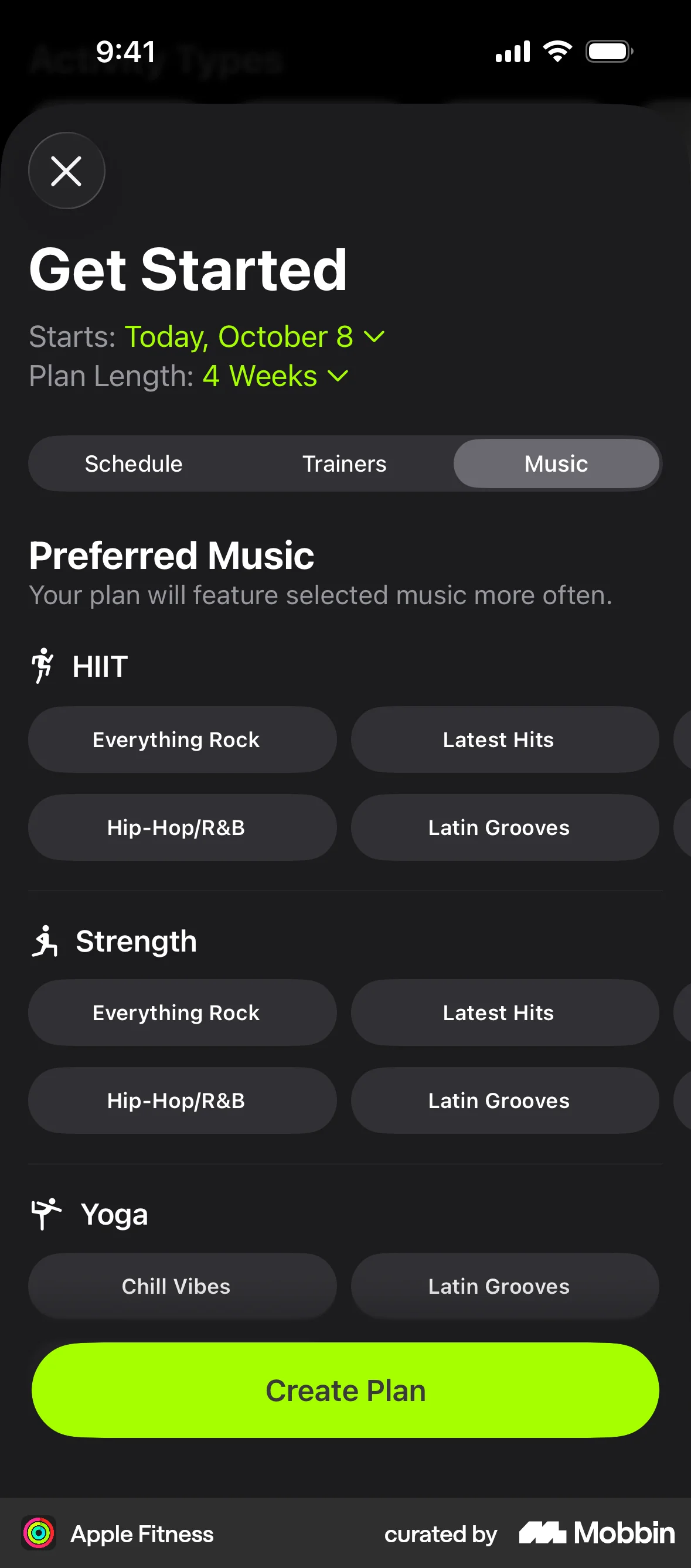
- Ask which medium and genre would make the user want to start, store the answer, and keep it editable in settings. StepUp recommended on exactly that answer, and only 29.9% of participants picked audiobooks — a want you choose for everyone misses most of them.
- Teach the pairing once in onboarding: one screen, an illustration, and an optional pledge to only enjoy that thing while doing this task. 78.6% of participants signed such a pledge, and it was a pledge about the rule, not about a reward.
- Supply the want in one tap, with no code to redeem and no separate account to create. Only 13–14% of participants ever downloaded their free audiobook, and that redemption step is where most of the effect leaks out.
- Keep any points or credits identical in the bundled and unbundled arms, and never make the want the payout. Every StepUp arm earned the same $0.22 a visit, so bundling's effect sits on top of an incentive scheme rather than replacing one.
- Offer a second pairing for tasks the first one cannot carry. Nearly a third of enrollees did something at the gym you cannot listen through; the interface equivalent is work that needs the user's eyes, where audio works and video does not.
- Hold a fresh episode, chapter or playlist for the user's return after a gap in use. Interrupting access is the one documented way to kill this effect, and the authors' own fixes for the closure — periodic re-engagement, a small segment outside the bundle — are untested proposals rather than findings.
What to avoid
- Gating anything the user needs. A tool, a setting, a file or a paid feature behind a chore is not bundling — it is withholding function in exchange for effort, and no study in this literature tests it. The restriction that was tested applied only to entertainment the participant had no other claim on.
- Turning the want into a completion reward. Engagement-contingent and completion-contingent rewards undermined free-choice persistence at d = −0.40 and −0.36 across 128 studies, so “finish the task and the fun unlocks” is exactly the contingency the overjustification literature warns about.
- Calling the want free when it is not. Point 20 of Annex I to Directive 2005/29/EC makes it an unfair commercial practice in all circumstances to describe a product as “gratis”, “free”, “without charge” or similar if the consumer has to pay anything other than the unavoidable cost of responding and of collecting or paying for delivery — which covers a bundled trial that needs card details.
- Quoting the 51%. That was the first week of a 226-person study whose effect fell by 0.07 visits a week and disappeared at a gym closure; the defensible planning figure is a few percentage points on whether the task happens at all.
- Bundling something that competes with the task for the same attention. Music lowered perceived exertion and raised performance across 139 studies, but the task in those studies did not need the participant's eyes; a video beside work that needs reading is a distraction wearing this principle's name.
- Treating a lift during the programme as a habit. 45% of 53 interventions raised gym visits across four weeks and 8% did so afterwards, so measure after the content stops before claiming anything about habit formation.
- The ethical line: bundle enjoyment onto work the user already wants to get done, and leave the task reachable without it. If the only route to a function is sitting through the entertainment, you have built a toll, not a bundle.
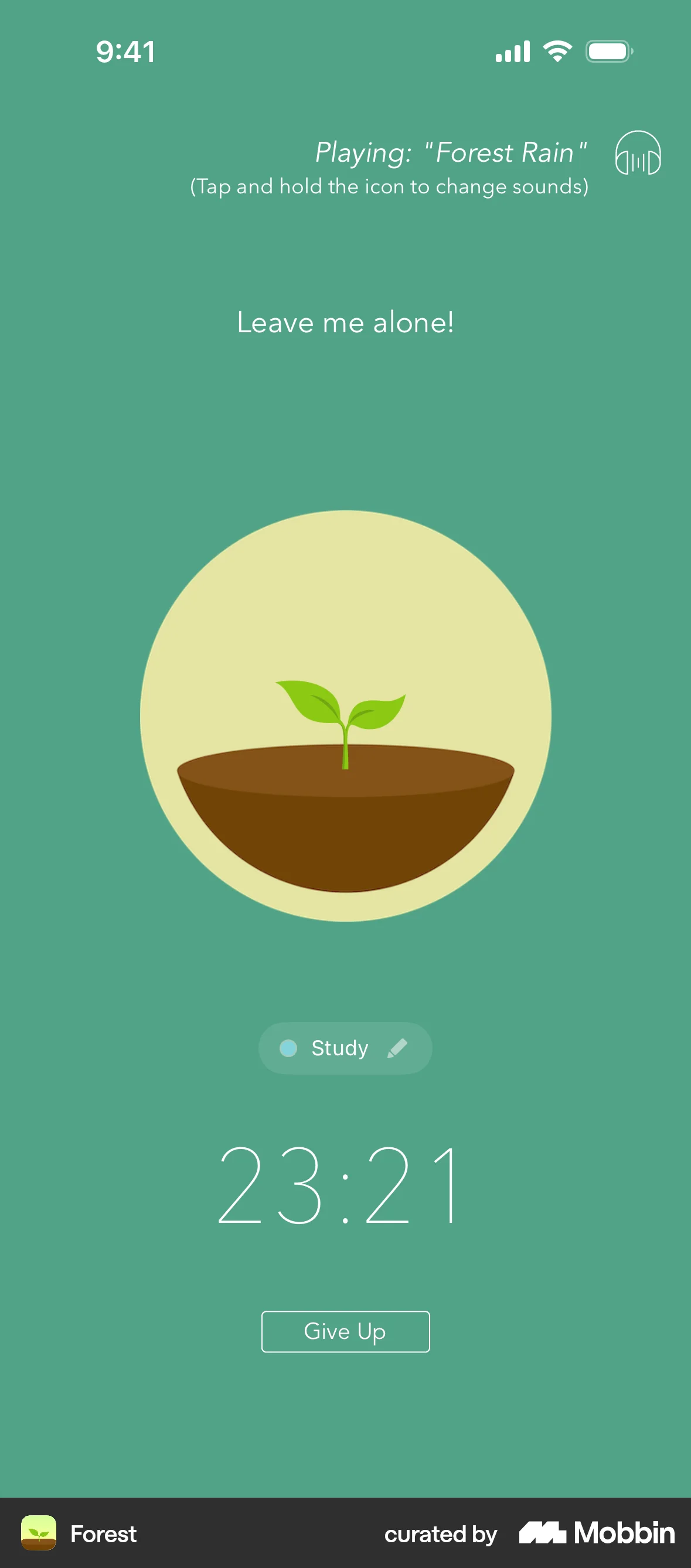
Real-world examples
Measuring it
- Primary metric: the share of users who perform the target task at all in a given week, bundled arm against an arm with the same reminders and incentives and no want. The durable effects showed up on that extensive margin — 5.1 to 6.7 percentage points — while visit counts moved only marginally.
- Secondary: the share of users who actually start the paired content. In the field experiment this was 13–14%, so a positive result is possible with almost nobody bundling, and a tiny attach rate next to a real lift says you measured a reminder.
- Keep the holdout running past the end of the campaign and report the post-period separately. Only 8% of 53 megastudy interventions had a measurable effect four weeks on, against 2.5% expected by chance, and completion that falls below its starting point once the want is withdrawn is overjustification rather than habit.
- Backfire metric: quality and depth of the bundled task, not its frequency. More sessions with a video running and less finished per session is the failure mode the original authors flagged and could not rule out.
- Backfire metric: completion among users who cannot use the want — no headphones, shared space, screen reader, low bandwidth. A gain concentrated in the bundle-compatible group and a loss outside it is a two-tier product.
References
- Milkman, Minson & Volpp (2014). Holding the Hunger Games Hostage at the Gym: An Evaluation of Temptation Bundling. Management Science.
- Kirgios, Mandel, Park, Milkman, Gromet, Kay & Duckworth (2020). Teaching Temptation Bundling to Boost Exercise: A Field Experiment. Organizational Behavior and Human Decision Processes.
- Milkman et al. (2021). Megastudies Improve the Impact of Applied Behavioural Science. Nature.
- Terry, Karageorghis, Curran, Martin & Parsons-Smith (2020). Effects of Music in Exercise and Sport: A Meta-Analytic Review. Psychological Bulletin.
- Woolley & Fishbach (2016). For the Fun of It: Harnessing Immediate Rewards to Increase Persistence in Long-Term Goals. Journal of Consumer Research.
- Woolley & Fishbach (2017). Immediate Rewards Predict Adherence to Long-Term Goals. Personality and Social Psychology Bulletin.
- Deci, Koestner & Ryan (1999). A Meta-Analytic Review of Experiments Examining the Effects of Extrinsic Rewards on Intrinsic Motivation. Psychological Bulletin.
- Directive 2005/29/EC on unfair commercial practices, Annex I point 20: describing a product as free when the consumer has to pay anything beyond the unavoidable cost of responding and delivery.
For agents
An agent-friendly guide to this principle lives at /agents/temptation-bundling.md.
Our MCP server and skills for all principles are coming soon.
Similar principles
Disclaimer: The theories here are just that — theories. They may not apply universally and should be considered in context. Use your own judgment and consult additional sources when applying these principles.