Habituation
Repeated stimulation produces a progressive decrease in the response to it, without the senses or the muscles tiring. The decrement is specific to the stimulus that caused it and recovers when the stimulus is withheld, which is what separates it from fatigue.
The rigorous version of this is neurobiology, not a design heuristic. Rankin and fourteen co-authors revised the 1966 list of behavioural characteristics in 2007 and defined habituation as a response decrement from repeated stimulation that does not involve sensory adaptation, sensory fatigue or motor fatigue; stimulus specificity and frequency-dependent spontaneous recovery are the two tests that separate it from fatigue. Four of the characteristics run against product intuition: the response recovers at least partially when the stimulus is withheld; more frequent stimulation produces a faster and deeper decrement and faster recovery; within a modality the less intense the stimulus the faster it habituates, and very intense stimuli may show no observable decrement at all; and what restores a decremented response is a different stimulus, which the literature calls dishabituation and which “by itself need not even trigger the response on its own”. The levers that follow are quiet periods, varied presentation and per-stimulus accounting, not volume.
The one interface domain where the mechanism has been measured directly is security warnings, and one research group did all of the measuring. Anderson, Vance, Kirwan, Jenkins and Eargle built a polymorphic warning whose appearance changes on every showing, and under fMRI it was significantly more resistant to habituation than conventional warnings in brain regions related to attention. Vance, Kirwan, Bjornn, Jenkins and Anderson then ran it across a five-day workweek with simultaneous fMRI and eye tracking and found “a dramatic drop in attention throughout the workweek despite partial recovery between workdays”, with the polymorphic design keeping its advantage all five days; their MIS Quarterly paper adds a three-week field study of mobile permission warnings in which adherence fell substantially under standard warnings and stayed high under polymorphic ones. Vary the chrome between showings, and treat the result as one lab replicating itself, because no independent group has reproduced it.
The exposure data that makes alert volume a safety matter comes from hospitals. Drew and colleagues recorded every monitor signal in an intensive care unit over 31 days: 2,558,760 unique alarms, 381,560 of them audible, an audible burden of 187 per bed per day, with 88.8% of 12,671 annotated arrhythmia alarms judged false positives. The Joint Commission's National Patient Safety Goal NPSG.06.01.01 answered with a mandate rather than a tactic: from 1 January 2014 hospitals must “identify the most important alarm signals to manage”, judged partly on “whether specific alarm signals are needed or unnecessarily contribute to alarm noise and alarm fatigue”, and from 1 January 2016 hold policies on settings, on when alarms may be disabled, and on who may set one to “off”. Its rationale cites 98 alarm-related reports in the Commission's sentinel event database, 80 of them ending in patient death, and an FDA database of 566 alarm-related deaths. No controlled test of a tier taxonomy as a product intervention surfaced in this research, so tiering is a regulator-backed practice in one domain, not a measured tactic.
The field tests of the mechanism itself come out negative. Bonafide and colleagues video-recorded nurses responding to 11,745 alarms, 50 of them (0.5%) actionable, at an adjusted median response time of 10.4 minutes — and “the number of nonactionable alarms to which the nurse was exposed in the preceding 120 minutes was not associated with response time”. What did predict response was which alarm it was and how far into the shift the nurse was: a lethal arrhythmia alarm drew 1.2 minutes against 10.4 minutes for other conditions, a one-to-one nursing assignment 3.5 against 10.6 minutes, and each elapsed hour of the shift added 15%. Ancker and colleagues pitted cognitive overload against desensitization in a clinical decision support system, and overload won: reminder acceptance dropped 30% for each additional reminder per encounter and 10% for each five-percentage-point rise in the proportion of repeats, while newly deployed reminders showed no declining response over time. Winters and colleagues' review of 62 articles on clinical alarms found no clear definition of alarm fatigue in use, none measuring it directly, and no agreed valid metric. Instrument repeats per object and per alert type before you attribute a decline to a stale stimulus.
For product notifications the controlled evidence is thinner, and it is about volume. Wohllebe, Hübner, Radtke and Podruzsik randomised 17,500 retail-app users across five push frequencies for seven weeks: as the frequency of non-personalised pushes rose, uninstalls rose and the direct open rate fell, with no significant effect on indirect opens. It is a real field experiment in a minor journal, so weight it accordingly. Fitz, Kushlev, Jagannathan, Lewis, Paliwal and Ariely randomised 237 people to notifications as usual, batched three times a day, or none at all. Batching improved felt attentiveness, productivity, mood, control over the phone, stress and interruptions, while the group that received none reaped few of those benefits and reported higher anxiety and fear of missing out. What you ship against volume is a schedule, not a silence switch.
That resolves the apparent tension between varying an alert and escalating it. Escalation is not naive: characteristic five says that within a modality more intense stimuli habituate more slowly, and very intense ones may not habituate at all. But what restores a decremented response is a different stimulus, not a louder one — Rankin's review cites Marcus, Nolen, Rankin and Carew, who dissociated dishabituation from sensitization in Aplysia by stimulus intensity, with a touch or weak shock dishabituating better than a strong shock, and who concluded that even Groves and Thompson's dual-process account is insufficient. Escalation also carries two costs variation does not. Characteristic nine, habituation of dishabituation, means each escalation round buys less than the last. And louder is measurably worse for the task the user came to do: see banner blindness, where animation improved recall in no condition tested and a target flanked by flashing banners took about 75% longer to find. So “vary when needed” and “do not escalate to beat habituation” are one rule at two grains: varying is the supported move, escalating is the crude version that spends the user's attention on the host task for a diminishing return.
One boundary, and one limit. The downslope of the mere exposure curve — liking rising to about five exposures and back to baseline by fifty — is routinely attributed to habituation, and neither literature demonstrates that: the meta-analysis that established the inverted U concluded that no existing model accounts for it, and the two fields measure different quantities, response magnitude against preference. They also imply opposite things about a change of context. de Zilva, Mitchell and Newell found the preference for familiar targets disrupted when cue-target pairings were rearranged at test, concluding that liking “is specific to the context of exposure”. Habituation is stimulus-specific too, but there the specificity is the good news: change the stimulus and you get the response back. So moving a familiar component to a new screen loses the liking it earned while regaining the attention it lost. Habituation reaches rewards as well as neutral stimuli — Murphy and McSweeney argue that within-session changes in operant responding under a constant rate of reinforcement match the characteristics of habituation and sensitization, which is why a reward stops working once it never varies (see variable reward). Design as though repeated identical alerts lose force, because the exposure data and the frequency experiment support that, but treat “this is habituation” as a hypothesis your own instrumentation has to earn, because the two best field tests of the mechanism did not find it.
When it holds
- It is specific to the stimulus and it recovers. Stimulus specificity and frequency-dependent spontaneous recovery are the two tests that separate habituation from sensory adaptation and fatigue, and recovery is faster after high-frequency stimulation (Rankin et al. 2009), so an interface that produces across-the-board indifference is describing something else.
- Intensity runs the other way from intuition, and a stronger stimulus is still the wrong lever. Within a modality the less intense the stimulus the faster and deeper the decrement, and very intense stimuli may show no observable decrement (Rankin et al. 2009, characteristic 5) — but in Aplysia a touch or weak shock dishabituated the withdrawal reflex better than a strong shock (Marcus et al. 1988).
- Variation itself wears out. Repeated application of the dishabituating stimulus reduces the dishabituation it produces (Rankin et al. 2009, characteristic 9), so a polymorphic warning is a slower decline, not an exemption.
- In the one interface domain measured directly, attention falls across a workweek and partly recovers overnight, and a warning that changes appearance each showing resists the fall — fMRI n = 25 and a realistic-setting study n = 80 (Anderson et al. 2016), replicated longitudinally and in a three-week field study of mobile permission warnings (Vance et al. 2017, 2018). All of it is from one research group.
- Short-term exposure to nonactionable alerts may not predict response at all. Across 11,745 alarms of which 0.5% were actionable, the number of nonactionable alarms in the preceding 120 minutes was not associated with nurses' response time; alarm type and hours into the shift were (Bonafide et al. 2017).
- Repeats of the same alert for the same object matter more than time. Reminder acceptance fell 30% per additional reminder per encounter and 10% per five-percentage-point rise in repeats, while a newly deployed reminder showed no decline over time — consistent with overload rather than desensitization (Ancker et al. 2017).
- Volume is the lever with measured product consequences. Across 17,500 app users and five push frequencies over seven weeks, higher frequency of non-personalised pushes raised uninstalls and lowered the direct open rate, with no significant effect on indirect opens (Wohllebe et al. 2021).
- Removing alerts entirely is not the counterfactual you want. Participants who received no notifications for a week gained few of the benefits that batching produced and reported higher anxiety and fear of missing out (Fitz et al. 2019).
- The construct has no validated measure in the field where it matters most: across 62 articles on clinical alarms, no study used a clear definition of alarm fatigue and none measured it directly (Winters et al. 2018).
How to apply
- Sort every interruptive message into tiers by what the user must do about it, cap the top tier at a number you can defend, and write down what may be set to silent. That is the shape the only regulator-mandated version takes: identify the most important signals, judged partly on whether each one unnecessarily contributes to noise and fatigue.
- For a warning that has to survive repetition — security, billing, data loss, an irreversible action — change its appearance between showings rather than its volume: colour, icon, layout, the arrangement within the dialog.
- Hold the meaning of an alert type fixed while its appearance varies. The rare alert keeps its force because users have learned what its kind means: a lethal arrhythmia alarm drew a 1.2-minute response against 10.4 minutes for everything else.
- Batch everything non-urgent into a digest at a small number of fixed times a day instead of delivering on arrival. Three times a day beat as-usual delivery on attentiveness, mood, stress and felt control.
- Suppress repeat alerts about the same object within a window before you redesign any of them. Repeats per encounter were what predicted falling acceptance, and a cleverer alert fired just as often will not help.
- Set a hard per-user frequency budget for interruptive channels, and make uninstalls, mutes and permission revocations the constraint you tune against rather than opens.
- Build quiet periods into the schedule: no pushes during a user's established inactive hours, a cooldown after any high-severity alert, a cap per session. Withholding the stimulus is how the response recovers.
- Ask once. Record a declined permission, consent or upsell, do not re-ask on the next session, and leave the ask in a settings surface the user can return to.
What to avoid
- Escalating to beat the decline — louder, bigger, animated, full-screen, more often. The restorative stimulus is a different one, not a stronger one; each escalation buys less than the last (habituation of dishabituation); and louder treatments measurably cost the task the user came for.
- Re-prompting after a refusal to wear the user down. The EDPB classifies “Continuous prompting” under Overloading, describing users who “end up giving in, wearied from having to refuse the request each time they use the platform”, and names purpose limitation (Article 5(1)(b)), freely given consent (Article 7 with Article 4(11)) and specific consent (Article 7(2)) as the provisions at stake.
- Varying the content as well as the chrome, so the user can never learn what an alert means. Stimulus specificity is the asset: an alert type whose meaning is stable is the one that still gets a fast response.
- Reading every decline in engagement as habituation. In the study designed to tell the two apart, a newly deployed alert showed no decline over time while repeats and complexity explained the drop in acceptance, so rule out volume and overload first.
- Letting users turn the channel off as your pressure valve. The sentinel-event record behind the alarm standard is of alarms turned down, disabled or set outside safe limits because the volume was unbearable — the fix is fewer alerts, not a mute button over an unchanged stream.
- Suppressing everything. The no-notification arm of the randomised test gained little and reported more anxiety and fear of missing out; tiering is the intervention, silence is not.
- Counting sends or impressions as reach. In the ICU data 187 audible alarms per bed per day were delivered and 88.8% of annotated arrhythmia alarms were false; delivery said nothing about whether anything landed.
Real-world examples
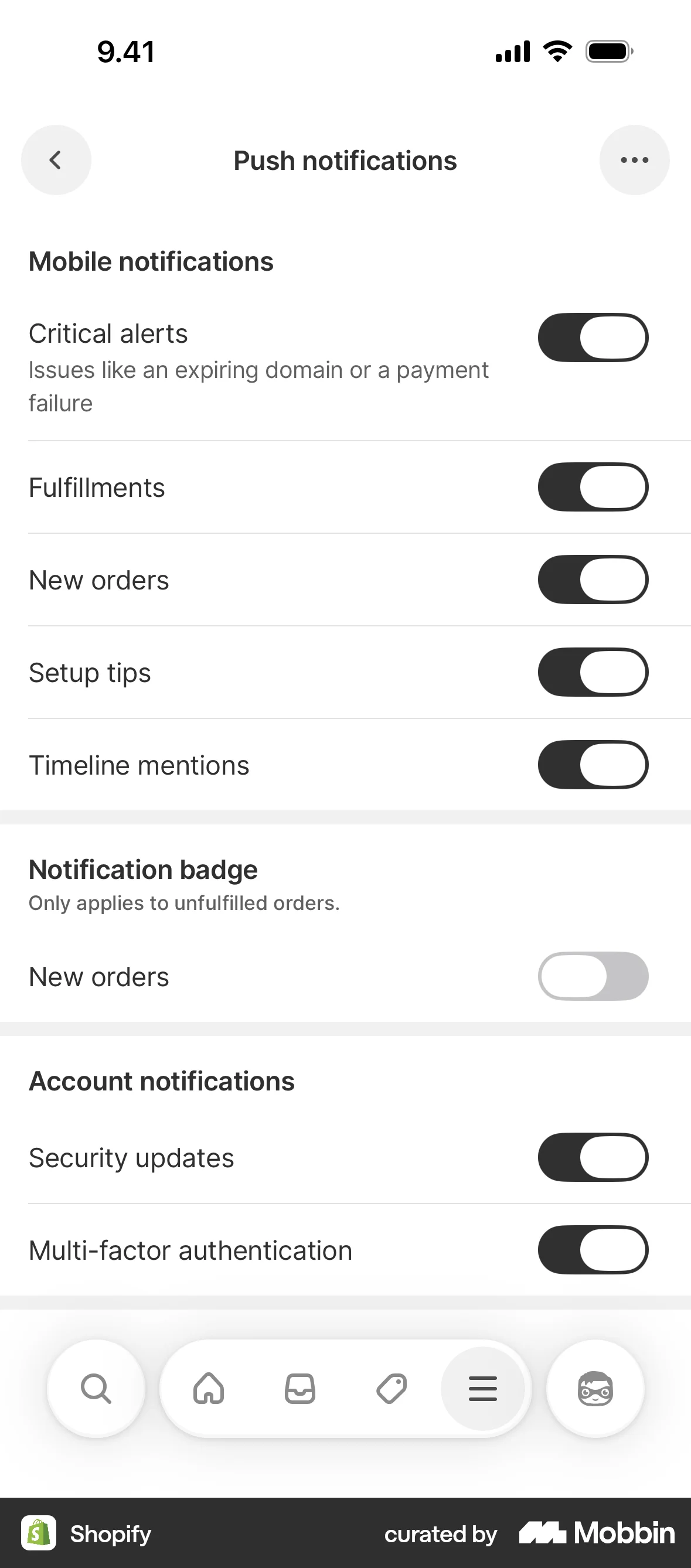
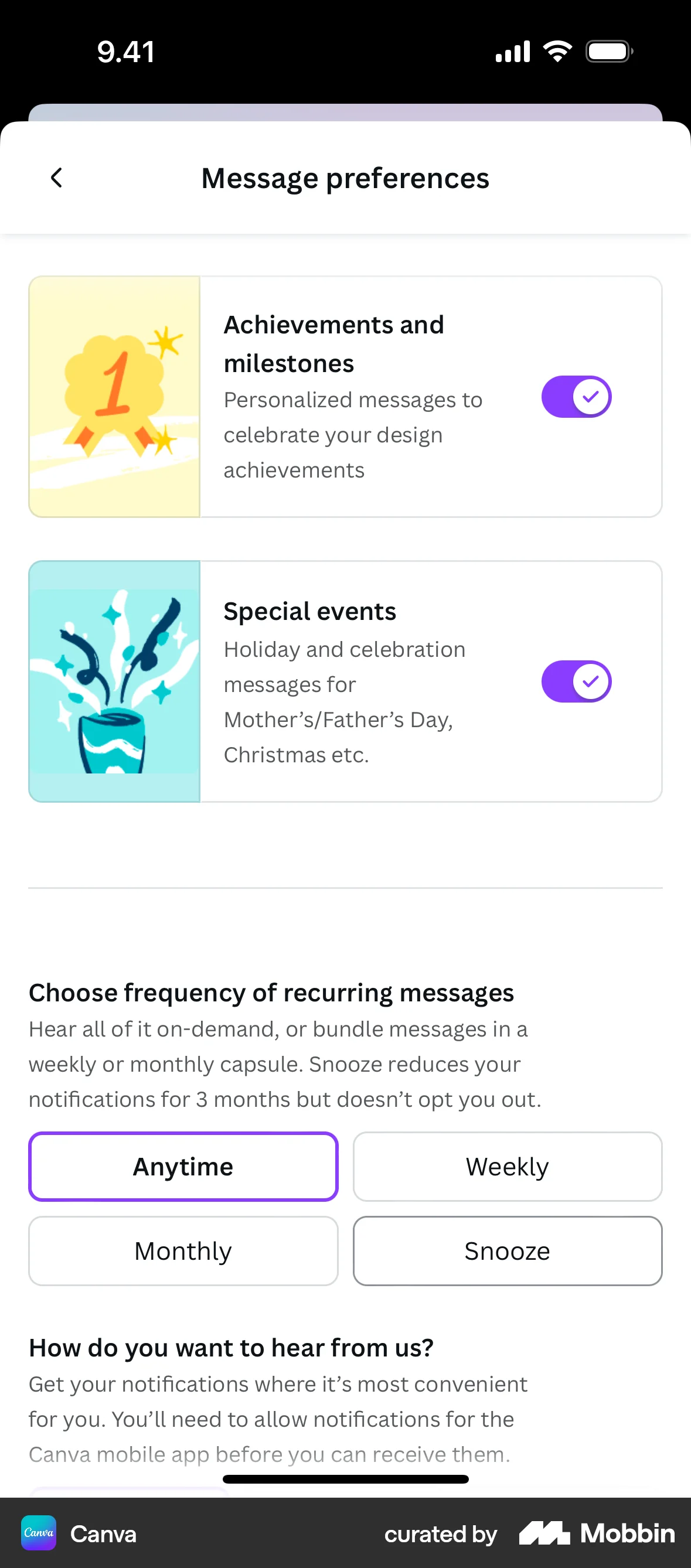
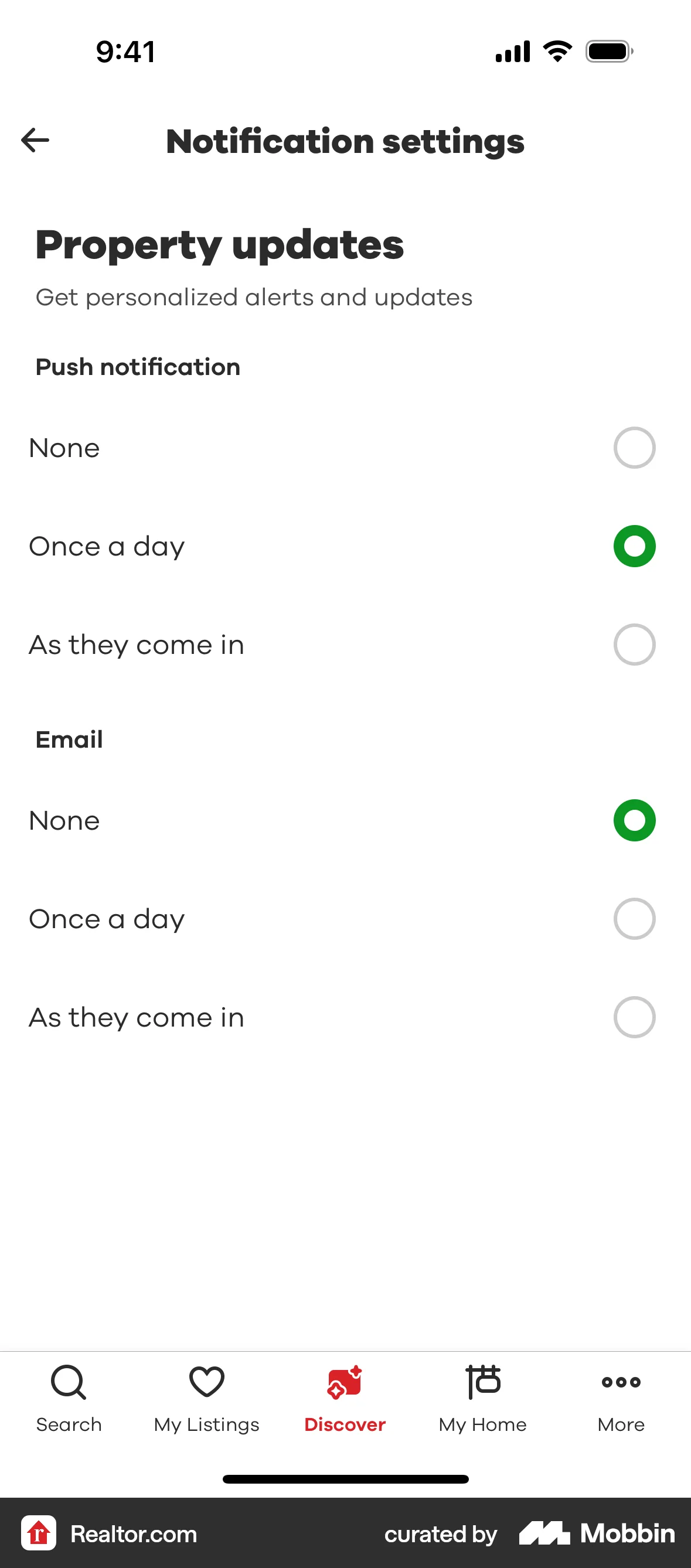
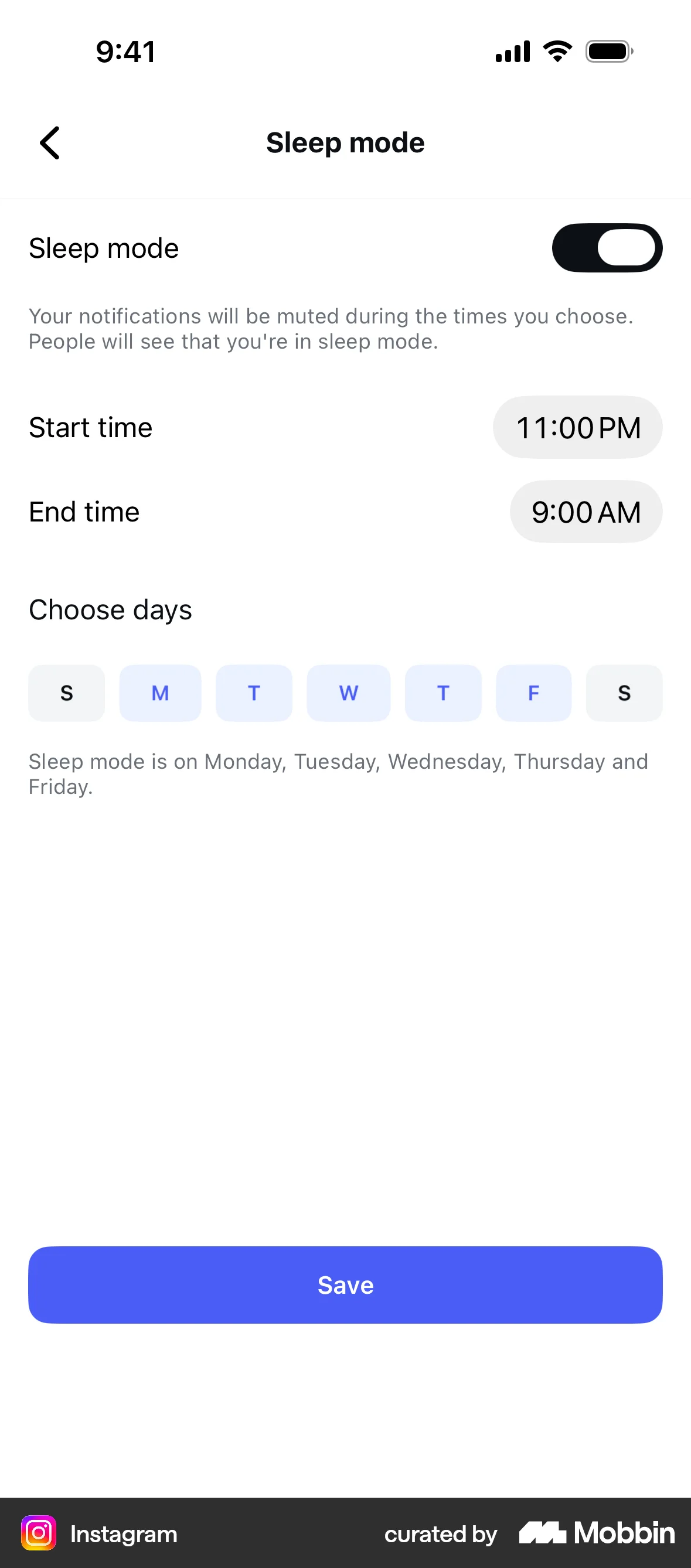
Measuring it
- Primary metric: the action rate per alert type — not per channel — plotted against how many of that type the user has already received. The slope per type is the effect; an average across types hides it.
- Secondary: median response latency per alert type, and the action rate on the first alert after a deliberate quiet period. Recovery after withholding is what distinguishes a habituated alert from one nobody ever acted on.
- Secondary: repeats per object per window, tracked as a shipped defect count like failed payments. Hold total volume constant and vary only the repetition of one type, otherwise the test cannot separate habituation from overload — the two hypotheses came apart in the one study that modelled both.
- Backfire metric: uninstalls, OS-level notification permission revocations, channel mutes and unsubscribes, read per frequency arm. In the frequency experiment uninstalls climbed while direct open rate fell, so an opens-only readout would have looked merely flat.
- Backfire metric: the action rate on your highest-severity alert, reported separately and never pooled. If it is sliding, the volume in the tiers below it is being paid for out of the one alert that matters.
- Backfire metric: for any varying or polymorphic treatment, comprehension and misidentification — can the user still say what the alert means and tell it from a lookalike — plus completion time and error rate on the host task while the alert is on screen, which is where a louder treatment shows its cost.
References
- Rankin, Abrams, Barry, Bhatnagar, Clayton, Colombo, Coppola, Geyer, Glanzman, Marsland, McSweeney, Wilson, Wu & Thompson (2009). Habituation Revisited: An Updated and Revised Description of the Behavioral Characteristics of Habituation. Neurobiology of Learning and Memory.
- Groves & Thompson (1970). Habituation: A Dual-Process Theory. Psychological Review.
- Marcus, Nolen, Rankin & Carew (1988). Behavioral Dissociation of Dishabituation, Sensitization, and Inhibition in Aplysia. Science.
- Murphy & McSweeney (2009). Sensitization and Habituation Regulate Reinforcer Effectiveness. Neurobiology of Learning and Memory.
- Anderson, Vance, Kirwan, Jenkins & Eargle (2016). From Warning to Wallpaper: Why the Brain Habituates to Security Warnings and What Can Be Done About It. Journal of Management Information Systems.
- Vance, Kirwan, Bjornn, Jenkins & Anderson (2017). What Do We Really Know about How Habituation to Warnings Occurs Over Time? A Longitudinal fMRI Study of Habituation and Polymorphic Warnings. CHI Conference on Human Factors in Computing Systems.
- Vance, Jenkins, Anderson, Bjornn & Kirwan (2018). Tuning Out Security Warnings: A Longitudinal Examination of Habituation Through fMRI, Eye Tracking, and Field Experiments. MIS Quarterly.
- Drew, Harris, Zègre-Hemsey, Mammone, Schindler, Salas-Boni, Bai, Tinoco, Ding & Hu (2014). Insights into the Problem of Alarm Fatigue with Physiologic Monitor Devices: A Comprehensive Observational Study of Consecutive Intensive Care Unit Patients. PLoS ONE.
- Bonafide, Localio, Holmes, Nadkarni, Stemler, MacMurchy, Zander, Roberts, Lin & Keren (2017). Video Analysis of Factors Associated With Response Time to Physiologic Monitor Alarms in a Children's Hospital. JAMA Pediatrics.
- Ancker, Edwards, Nosal, Hauser, Mauer & Kaushal (2017). Effects of Workload, Work Complexity, and Repeated Alerts on Alert Fatigue in a Clinical Decision Support System. BMC Medical Informatics and Decision Making.
- Winters, Cvach, Bonafide, Hu, Konkani, O'Connor, Rothschild, Selby, Pelter, McLean & Kane-Gill (2018). Technological Distractions (Part 2): A Summary of Approaches to Manage Clinical Alarms With Intent to Reduce Alarm Fatigue. Critical Care Medicine.
- Fitz, Kushlev, Jagannathan, Lewis, Paliwal & Ariely (2019). Batching Smartphone Notifications Can Improve Well-Being. Computers in Human Behavior.
- Wohllebe, Hübner, Radtke & Podruzsik (2021). Mobile Apps in Retail: Effect of Push Notification Frequency on App User Behavior. Innovative Marketing.
- de Zilva, Mitchell & Newell (2013). Eliminating the Mere Exposure Effect through Changes in Context between Exposure and Test. Cognition & Emotion.
- The Joint Commission (2013). R3 Report Issue 5: Alarm System Safety (NPSG.06.01.01).
- European Data Protection Board (2023). Guidelines 03/2022 on Deceptive Design Patterns in Social Media Platform Interfaces, Version 2.0.
- Regulation (EU) 2016/679 (GDPR), Article 7. Conditions for consent.
For agents
An agent-friendly guide to this principle lives at /agents/habituation.md.
Our MCP server and skills for all principles are coming soon.
Similar principles
Disclaimer: The theories here are just that — theories. They may not apply universally and should be considered in context. Use your own judgment and consult additional sources when applying these principles.