Mere exposure effect
Repeated encounters with something new raise liking for it, with no reward attached. The curve is an inverted U, so the gain reverses once the repetitions pile up.
The textbook version of this principle is a straight line: familiarity breeds liking. The meta-analytic version is a hill. Montoya, Horton, Vevea, Citkowicz and Lauber modelled 268 curve estimates from 81 articles and found a positive slope with a negative quadratic term — an inverted U, not a monotonic rise. It appeared for visual but not auditory stimuli, and across exposure durations from under 10 seconds to over a minute. No existing model of the effect accounts for the pattern, so the curve is the finding and the explanation is open.
The downturn has been measured directly. Bornstein, Kale and Cornell showed stimuli 0, 1, 2, 5, 10, 25 or 50 times. For the more complex stimuli, affect ratings rose through about five exposures and then fell; by 50 exposures they were rated no differently from stimuli never shown at all. Their first experiment adds the limit: participants high in boredom proneness showed no exposure effect whatsoever, while low-boredom participants rose monotonically. Overexposure is not a separate moral category from exposure — it is the same curve past its peak, in someone who has run out of patience.
The effect is also less reliable than its fame suggests. Chow, Rhodes, Rule, Buchsbaum and Hasher ran four online experiments on neutral faces, repeating images 3, 5 or 7 times; repetition raised liking in none of them, with substantial Bayesian evidence against it every time, BF01 > 16.41 — and the same data reproduced the known preference for younger faces, so the procedure could detect an effect. de Zilva, Mitchell and Newell found the preference for familiar faces disappeared once the nonsense-word cue each face had been paired with was rearranged or replaced at test. What is liked is a stimulus in its learned context, so a familiar component moved to a new screen does not arrive with its liking intact.
Almost all of this runs on novel, meaningless material: polygons, ideographs, nonwords, strangers' faces. The closest work to a product is Hekkert, Thurgood and Whitfield, who found rated attractiveness of everyday object shapes rose with how common the objects were, and then needed fictitious but plausible products to get exposure frequency under control at all. There attractiveness rose linearly with exposure frequency, and the slope was steeper when the product was presented as something nobody had paid attention to designing. The window closes at the other end too: Pugnaghi, Memmert and Kreitz used an inattentional-blindness paradigm (N = 240) and found no exposure effect under preconscious processing, against the folklore that unnoticed exposures are where the effect is strongest. The moderator is not being scrutinised, not not being seen.
Mrkva and Van Boven reframe what is being counted. They showed stimuli 9, 3, 1 or 0 times and found repetition raised liking, salience, evaluative extremity and emotional intensity — but in their fourth experiment it was relative exposure that did the work: nine showings raised liking only when the stimuli around it had been shown less often, and absolute exposure had no significant effect. Salience mediated the results better than fluency did. Fluency is not dead as a mechanism — Reber, Winkielman and Schwarz raised prettiness and liking ratings with a matching prime, higher figure-ground contrast and longer presentation, without changing exposure frequency — and it survives for liking where it failed for truth judgments (see processing fluency). For a build, the reading is that a visual language everybody sees equally and constantly has no relative advantage to trade on.
Schmidt and Eisend's meta-analysis of advertising repetition puts the experimental maximum for brand attitude at roughly ten exposures while recall keeps rising and does not level off before the eighth; low involvement and spaced exposures strengthen the attitude effect, massed and embedded exposures strengthen recall, and both decay over time. Courbet, Fourquet-Courbet, Kazan and Intartaglia had 398 participants browse a health site carrying four three-second pop-ups for a fictitious mineral water and never mentioned the brand again; 7 days and 3 months later the exposed groups rated attitude and purchase intention higher than controls and responded faster, the image format keeping its advantage at three months. Four barely attended glances, still readable three months on, are both the evidence that this works at product scale and the reason a frequency cap needs an ethical justification and not only a performance one.
On the usual product recommendation — keep the visual language consistent across touchpoints — there is no controlled evidence at all: nothing in this literature manipulates internal consistency. What has been tested is close to the opposite construct, conventionality against the category. Tuch, Presslaber, Stöcklin, Opwis and Bargas-Avila had participants rate real website screenshots and found prototypicality — looking like a typical site of its kind — carried a larger effect on aesthetic ratings than visual complexity, ηp² = .812 against .581, detectable at 50 ms of exposure and still present at 17 ms, with low-complexity, high-prototypicality pages rated most appealing. That is a case for looking like what users already know, not for matching yourself. The opposite folk claim fares no better: Horsham and colleagues' registered replication with 801 participants found that learning more traits about a person did not reduce liking, r = −0.027, even though people expected it to.
When it holds
- Novel stimuli only: the effect is measured on material new to the viewer, and Hekkert, Thurgood & Whitfield (2013) had to invent fictitious products to control exposure at all.
- Inside a range, not forever: 268 curve estimates fit a positive slope with a negative quadratic term, an inverted U (Montoya et al., 2017). The peak is early — liking rose through about five exposures then fell, and at 50 exposures matched never-seen stimuli (Bornstein, Kale & Cornell, 1990).
- For brand attitude in advertising, roughly ten exposures is the maximum, while recall keeps rising past the eighth (Schmidt & Eisend, 2015).
- Spaced beats massed for attitude; massed and embedded exposures help recall instead, and both effects decay over time (Schmidt & Eisend, 2015).
- Relative, not absolute: a stimulus shown nine times was liked more only when its neighbours were shown less often (Mrkva & Van Boven, 2020).
- Context-bound: the preference vanished when the cue paired with each stimulus was rearranged or replaced at test (de Zilva, Mitchell & Newell, 2013).
- Stronger when nobody is scrutinising the design, but absent under complete inattention (Hekkert et al., 2013; Pugnaghi, Memmert & Kreitz, 2019).
- Absent for faces in the best-powered test: four experiments, substantial Bayesian evidence against any repetition effect, BF01 > 16.41 (Chow et al., 2022).
- Absent in bored viewers: boredom-prone participants showed no exposure effect at all (Bornstein, Kale & Cornell, 1990, Experiment 1).
How to apply
- Show a new element — a changed nav icon, a new brand mark, an unfamiliar plan name — on low-stakes screens for a handful of appearances before it has to carry a decision. The lab gain arrives by about five exposures.
- Count impressions per user per creative and retire the creative near ten, where brand attitude peaks. A campaign-level cap hides individual users sitting at thirty.
- Spread the repeats across sessions rather than stacking them inside one. Spaced exposures moved attitude; massed ones only helped recall.
- Keep a familiar component in the position and pairing where it was learned. Moving it to a new screen or beside new neighbours forfeits the liking it earned.
- Give the one new thing extra exposure instead of raising frequency across the whole interface. Liking tracked relative exposure, and absolute exposure did not move it.
- On first-run and signup screens, use the conventional layout for your category rather than an original one. Prototypicality carried the larger effect on aesthetic ratings, ηp² = .812, within 50 ms of exposure.
- Keep the surface that has to earn liking fast visually simple. Low complexity with high prototypicality was rated most appealing.
What to avoid
- Reading “familiarity breeds liking” as a straight line. In the only study to run to 50 exposures, the liking advantage was gone completely by the end.
- Raising frequency to rescue a weak offer. Repetition shifts affect by a small amount early on and then works against you; it does not change what you are selling.
- Low-attention repetition as covert brand building. Four unattended three-second pop-ups still moved attitude and purchase intention three months later, in people who were never told the brand had been shown — the ethical line is that you are banking on them not noticing.
- Persistent uncapped messaging. Under UCPD Annex I point 26, making persistent and unwanted solicitations by telephone, fax, e-mail or other remote media is an aggressive practice banned in all circumstances, and GDPR Article 21(2)–(3) gives an absolute right to object to direct-marketing processing, after which it must stop.
- Repeating a marginal claim until it reads as settled. Repetition raises perceived truth independently of whether the claim is true (see processing fluency), and that is the part of this principle with no legitimate use.
- Selling a design-system or brand-consistency programme on this principle. Nothing in this literature tests internal consistency, and no controlled study shows it raises liking or conversion — argue it on build cost, accessibility and defect rate instead.
- Restyling a familiar flow for freshness without re-teaching it. Liking does not survive a change of context, and the usability cost arrives immediately while the familiarity has to be rebuilt.
Real-world examples
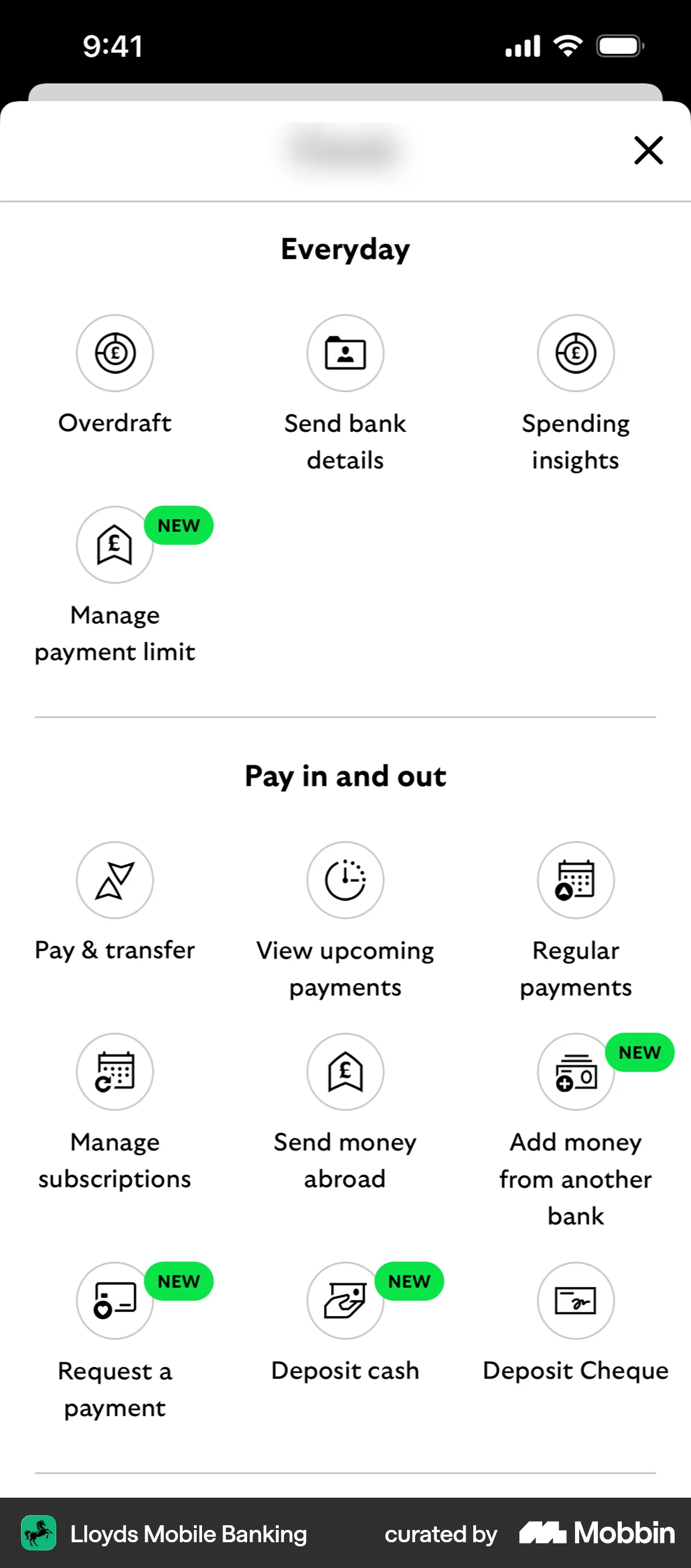
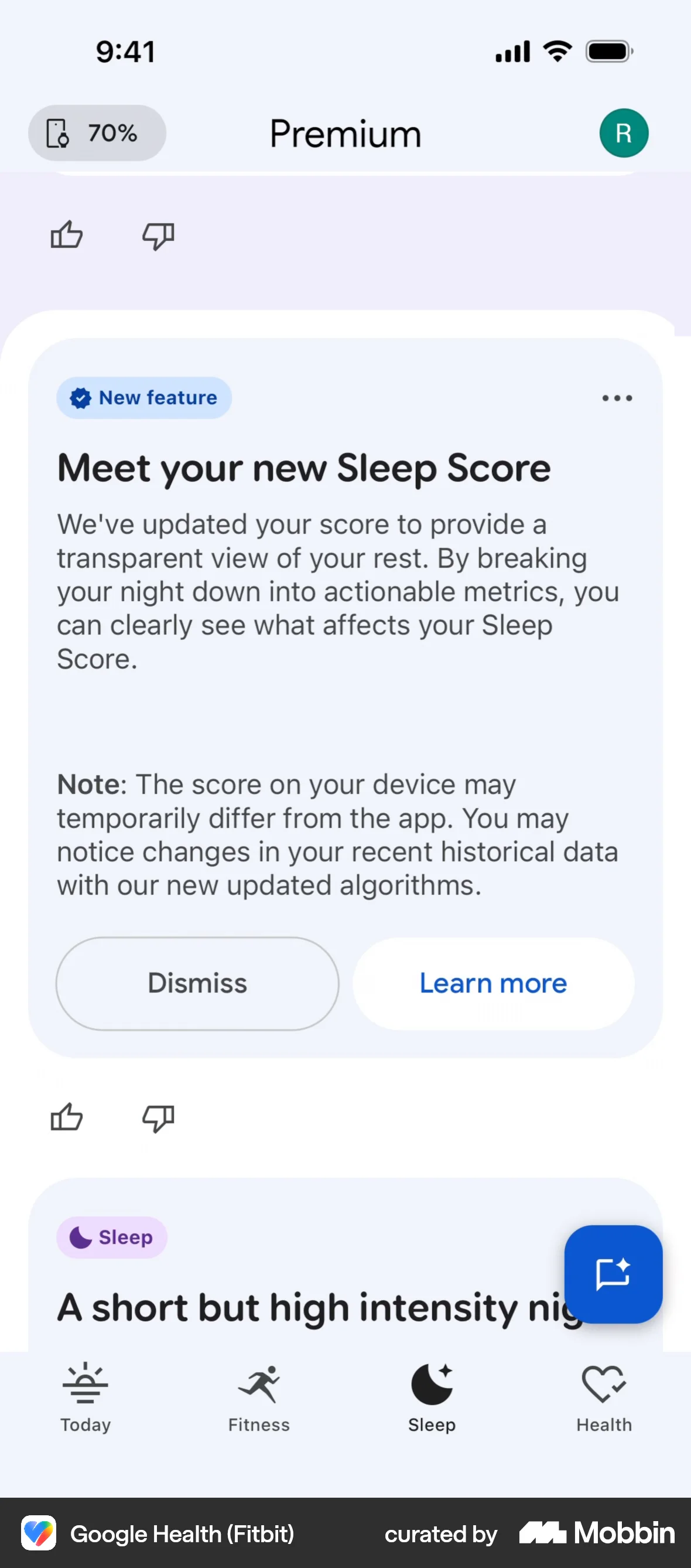
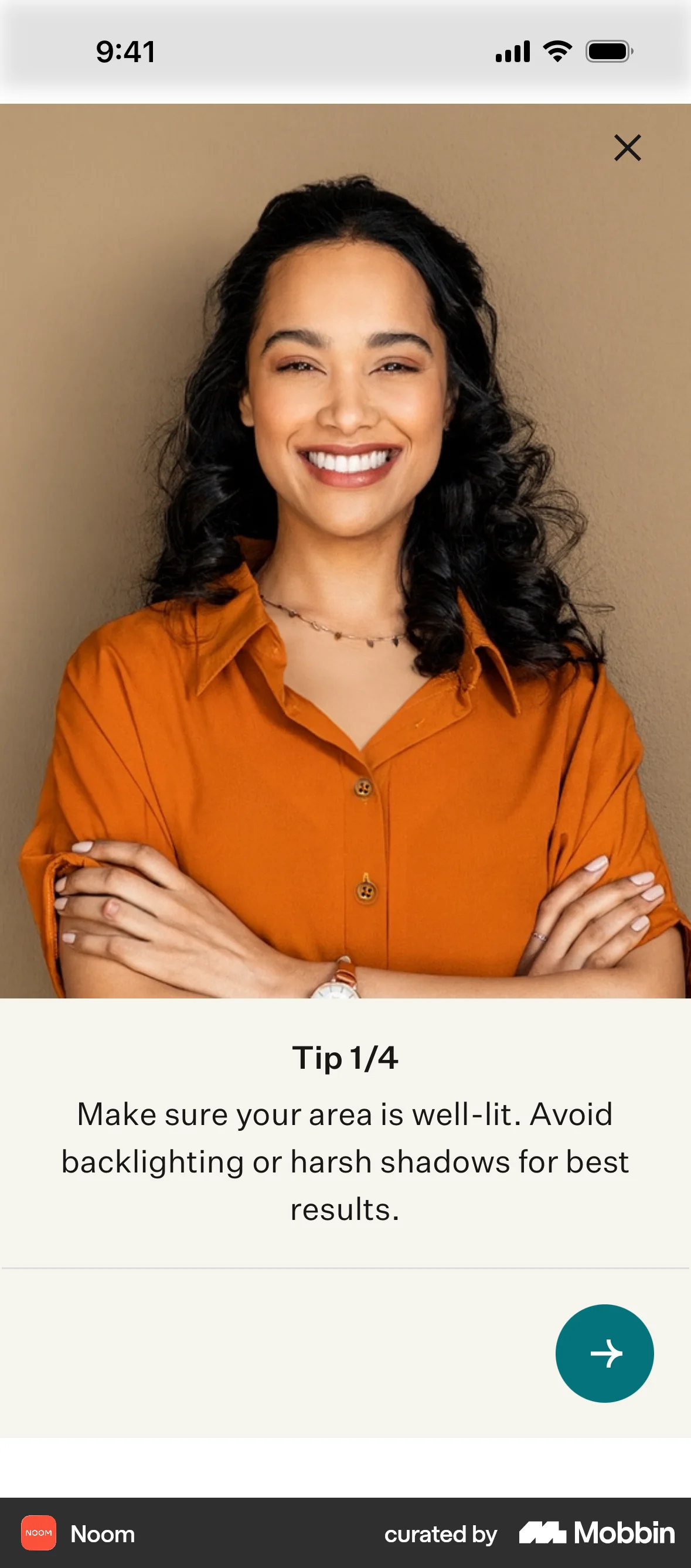
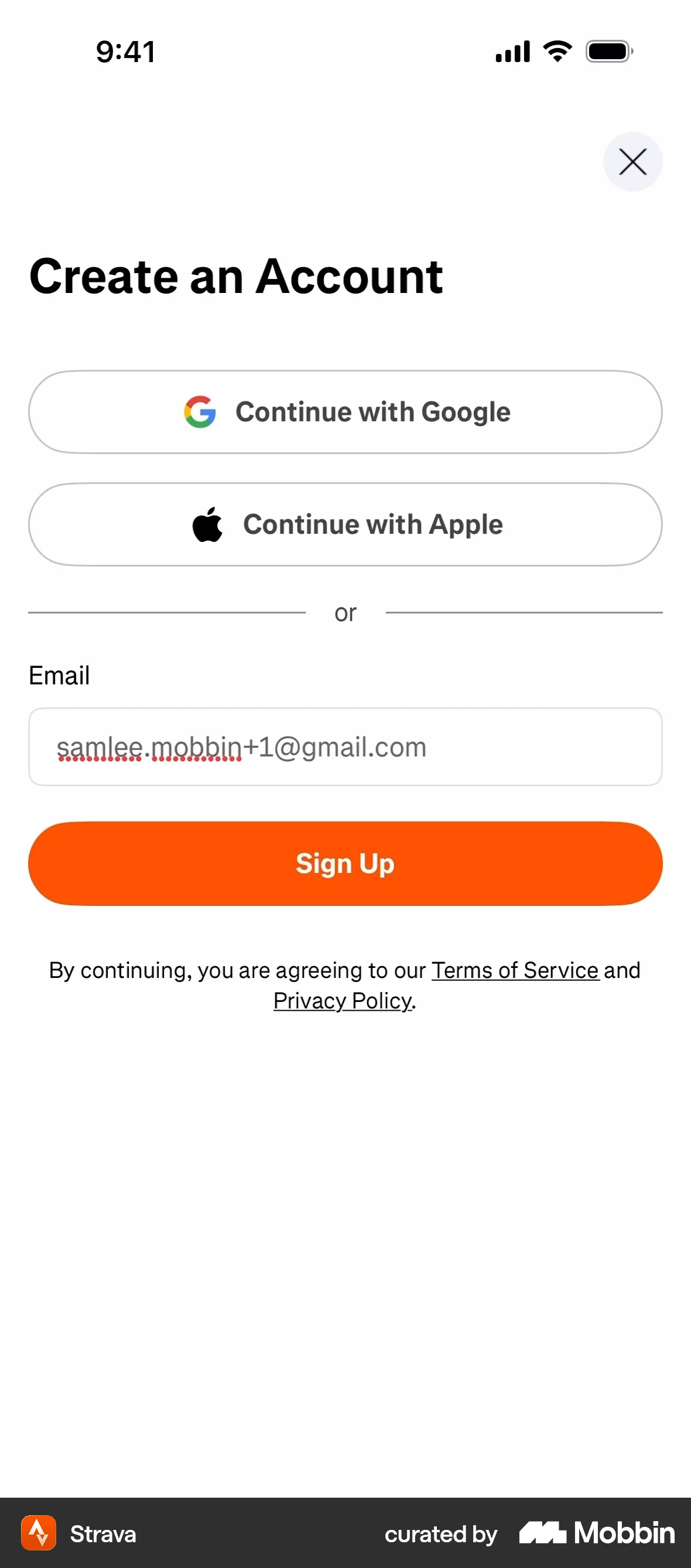
Measuring it
- Primary: liking or preference for the new element among users who have seen it, against a holdout that has not — a forced choice against the alternative it replaces, or a favourability rating, not impressions served.
- Secondary: the same rating split by per-user exposure bucket (1–3, 4–10, 11+) so you see the curve rather than its average, since a rise and a fall average to nothing.
- Backfire: dismiss, hide, mute and unsubscribe rates per thousand impressions, by exposure bucket. The downturn shows up here before it shows up in sentiment.
- Backfire: click-through and interaction decay on the repeated surface, which catches habituation rather than dislike.
- Backfire: completion rate and support contacts on screens whose familiar components were moved or restyled, since what was liked in one context does not transfer to another.
References
- Zajonc (1968). Attitudinal effects of mere exposure. Journal of Personality and Social Psychology Monograph Supplement.
- Bornstein (1989). Exposure and affect: Overview and meta-analysis of research, 1968–1987. Psychological Bulletin.
- Bornstein, Kale & Cornell (1990). Boredom as a Limiting Condition on the Mere Exposure Effect. Journal of Personality and Social Psychology.
- Montoya, Horton, Vevea, Citkowicz & Lauber (2017). A re-examination of the mere exposure effect: The influence of repeated exposure on recognition, familiarity, and liking. Psychological Bulletin.
- Chow, Rhodes, Rule, Buchsbaum & Hasher (2022). Absence of a mere-exposure effect in older and younger adults. Psychology and Aging.
- Pugnaghi, Memmert & Kreitz (2019). Examining effects of preconscious mere exposure: An inattentional blindness approach. Consciousness and Cognition.
- de Zilva, Mitchell & Newell (2013). Eliminating the mere exposure effect through changes in context between exposure and test. Cognition & Emotion.
- Hekkert, Thurgood & Whitfield (2013). The mere exposure effect for consumer products as a consequence of existing familiarity and controlled exposure. Acta Psychologica.
- Mrkva & Van Boven (2020). Salience theory of mere exposure: Relative exposure increases liking, extremity, and emotional intensity. Journal of Personality and Social Psychology.
- Reber, Winkielman & Schwarz (1998). Effects of Perceptual Fluency on Affective Judgments. Psychological Science.
- Schmidt & Eisend (2015). Advertising Repetition: A Meta-Analysis on Effective Frequency in Advertising. Journal of Advertising.
- Courbet, Fourquet-Courbet, Kazan & Intartaglia (2014). The Long-Term Effects of E-Advertising: The Influence of Internet Pop-ups Viewed at a Low Level of Attention in Implicit Memory. Journal of Computer-Mediated Communication.
- Tuch, Presslaber, Stöcklin, Opwis & Bargas-Avila (2012). The role of visual complexity and prototypicality regarding first impression of websites. International Journal of Human-Computer Studies.
- Horsham et al. (2025). Does learning more about others impact liking them? Replication and extension Registered Report of Norton et al.'s (2007) lure of ambiguity. Royal Society Open Science.
- Unfair Commercial Practices Directive 2005/29/EC, Annex I, point 26. Aggressive commercial practices. legislation.gov.uk.
- UK GDPR, Article 21. Right to object. legislation.gov.uk.
For agents
An agent-friendly guide to this principle lives at /agents/mere-exposure-effect.md.
Our MCP server and skills for all principles are coming soon.
Similar principles
Disclaimer: The theories here are just that — theories. They may not apply universally and should be considered in context. Use your own judgment and consult additional sources when applying these principles.